
The 30-Day Morning Routine Challenge
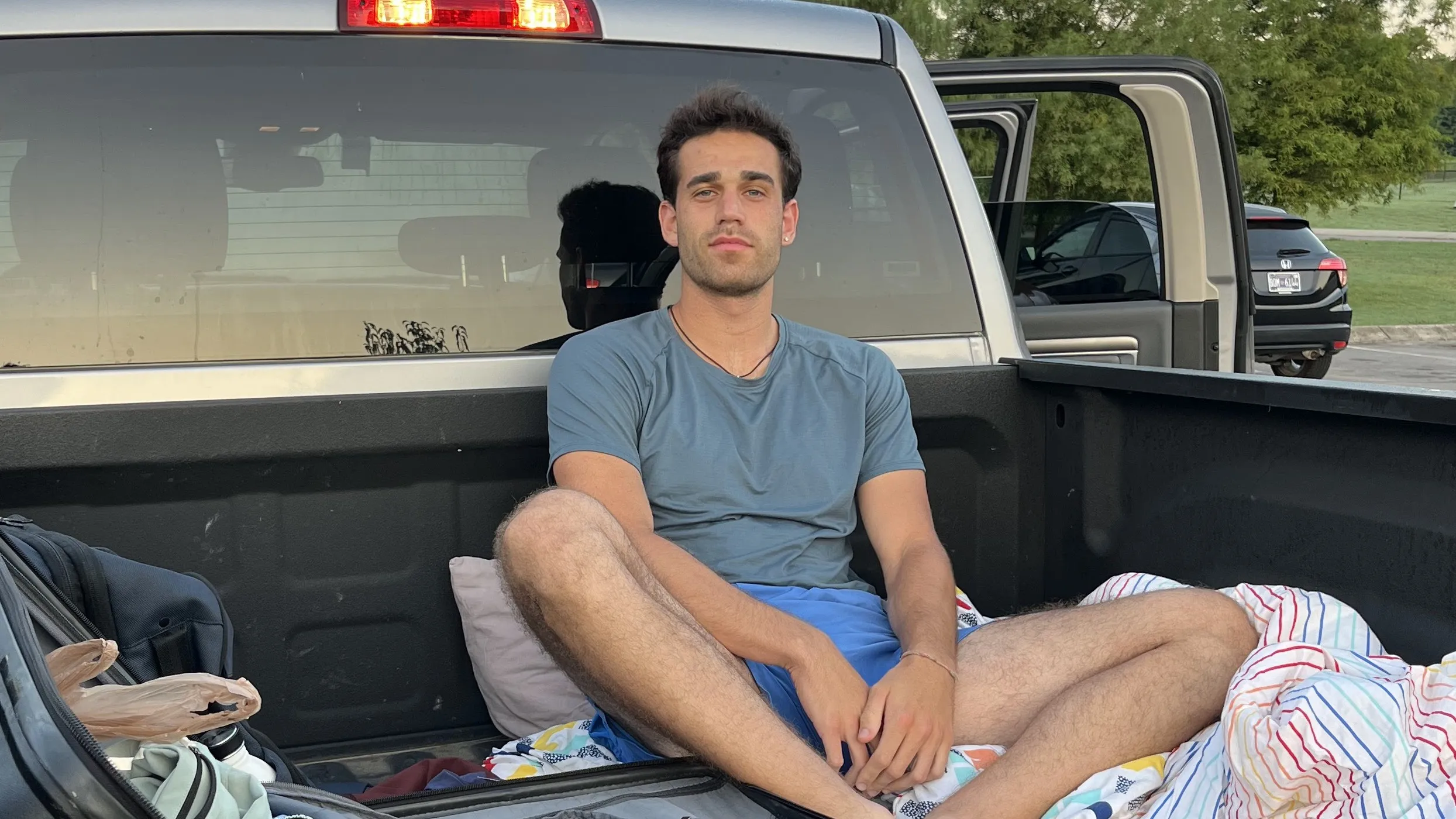
Every day for 30 days, I am adding something new to my morning routine in the hopes that I can build a morning routine that is not only healthy but also realistic and sustainable no matter where in the world I am.
But I am not just going to pick any random activity I see an influencer doing. Before selection I do a deep dive to ensure that each activity will help me on my flourishing journey.
Day 1: Going Outside
The human body functions on a schedule. This schedule is widely known as your circadian rhythm.
But how does your body know what time it is and manage this schedule?
Spoiler alert, you looking at the clock doesn’t do the trick. The answer is light.
Your retina (a part of the back of your eyeball) has a set of cells whose only job is to communicate levels of brightness to your brain’s “master clock” (Graham & Wong). Those cells respond strongly to short, blue wavelengths. Daylight delivers far more of these than the artificial light in your home or office, even on a cloudy day (Brown et al. 2022).
Our internal clock does not run at 24 hours, it averages 24 hours and 11 minutes (Czeisler et al. 1999). So if it wasn’t for morning sunlight resetting your clock, you would be going to bed more than an hour later every week, and in about two months you would be sleeping through the day and awake all night.
So why does this matter?
Your immune system spends the day fighting off immediate threats and spends the night ensuring your body builds the infrastructure to fight against those same threats in the future (Besedovsky et al. 2012). And at night, during your deepest stage of sleep, you release a large pulse of growth hormone (Van Cauter & Plat 1996), which supports tissue growth and repair throughout the body; including muscle, bone and cartilage (Brinkman et al. 2023). So if your body is not properly aligned with the time of day, all of these crucial processes can be negatively impacted.
Another instance of this I found particularly interesting is Melatonin, the sleep chemical. To get a good night’s sleep you need melatonin, which your body can actually produce on its own. But the timing of when your body decides to produce melatonin is actually determined by whether or not you were exposed to light in the morning (Ohashi et al. 2023). A delayed melatonin response might mean you have lower quality sleep, which itself is a huge health risk (NHLBI 2022). In fact, in 2022 the American Heart Association added sleep to its list of the eight essential measures of cardiovascular health, placing it alongside diet, exercise, blood pressure and not smoking (Lloyd-Jones et al. 2022).
Morning light is a pretty powerful health hack (and it’s free!)
The benefits of sunlight go beyond regulating your internal clock. Sunlight carries ultraviolet light, or UV. One kind, UVB, is what your skin uses to make Vitamin D, whose health benefits we discuss in a dedicated Flourish Find. Another kind, UVA, which researchers showed can widen arteries and cause a drop in blood pressure (Liu et al. 2014). For context, high blood pressure is a leading driver of stroke, heart attack, heart failure and kidney damage (World Health Organization 2023).
A study with over 86,000 adults showed that exposure to daytime light can lead to a lower risk of depression, PTSD, psychosis and self harm (Burns et al. 2023).
So when you wake up, step outside. And if you can’t, then open a window. Your health depends on your body knowing what time it is!
Building a routine takes dedication and consistency, but there is also a science to it. New behaviours attach to things you already do on a regular basis. A new behaviour needs an anchor, something you already do reliably, to attach itself to. Across 94 experiments and more than 8,000 people, those who tied a behaviour to a specific existing cue followed through far more often than those who simply intended to do it (Gollwitzer & Sheeran 2006).
I know that thirty days will not make it automatic, but this is a good starting point for finding the morning routine that works best for me.
Day 2: Glute Bridges
Over the past three years I have spent a disturbing portion of my time sitting down for work. My standing desk certainly helps but by no means resolves the problem.
When you hold any position for long durations the connective tissue can adapt and settle. For example, researchers found that women who habitually wear high heels end up with measurably shorter calf muscle fibres and less ankle range of motion (Csapo et al. 2010). The body can adapt to where it spends most of its time.
Compared to anatomical neutrality, when you are sitting for prolonged durations your hip flexors are shortened and your extensors remain lengthened. For most people the pelvis tucks under and the lower back rounds.
One study measured hip extension in 144 adults and found roughly six degrees less range in people who sat more than seven hours a day and exercised little (which is definitely the category I fall under), compared to those who sat under four hours and stayed active (Boukabache et al. 2021).
So the logical counterbalance is to contract the muscles in the opposite of the position they are typically exposed to, in order to create muscular adaptations.
The main example movement you will see searching the internet is a glute bridge (here is an example video of how to do this movement). In a glute bridge, your hip flexors lengthen and your extensors are shortened, counter to what you are typically doing in a sitting position. It is also a legitimate way to build those muscles. Research comparing nine weeks of hip thrusts (a movement very similar to the glute bridge) against barbell back squats found equal glute growth measured by MRI (Plotkin et al. 2023).
It is important to say that scientific research is yet to come to consensus on the connection between prolonged sitting and muscular imbalances causing back pain and weak glutes. But I would rather act on the best available reasoning than wait. I want to take action and do what seems to be the most logical action.
In the worst case scenario the popular claim about bridges countering sitting is wrong. But even if that were true it doesn’t mean the glute bridge is not a valuable movement. Hip extension force is incredibly important for your lower body’s functionality. It is required when standing from a chair, climbing stairs, walking uphill, or lifting anything off the floor. I personally also notice that my posterior chain is weaker through several movements and this is an opportunity to rectify that imbalance.
I will be doing 1 set of 25 glute bridges, slow and controlled, engaging my muscles through every inch of the movement, driving through my heels and squeezing my glutes, lifting my hips as high as I can with an isometric hold at the top. Tailbone tucked under and ribs down.
Here are some quick explanations if that was a bit confusing:
Driving through my heels means pushing the floor away with the back half of my foot rather than the ball of my foot or my toes. Where you press changes which muscles answer. Pressing through the heels puts the work in the glutes and hamstrings. Pressing through the toes shifts it toward the front of the thigh.
Isometric hold means holding a contraction without moving. The muscle stays tense while the joint stays still. Most exercise is the opposite, with muscles shortening and lengthening as you move through reps. Pausing at the top will keep the glutes under tension, emphasizing the part of the movement I believe will be most helpful to me.
Tailbone tucked under means rotating the bottom of your pelvis forward, toward your belly button, rather than letting it rotate back which would cause an arch in your lower back. Our goal is to ensure the movement is being generated from our hips, not our backs.
Ribs down means not letting your ribcage flare upward and away from your hips. This is another cue that allows us to ensure the movement is being generated from the hips.
The posterior chain is the muscles that run down the back of your body. Glutes, hamstrings, calves, and the muscles along your spine. They work as a group to extend you upright and push you forward.
Day 3: Hydration
When it comes to hydration, the goal is not to maximize water consumption. It is to ensure the proper ratio between water and other minerals in the body such as sodium, potassium, and chloride.
Sensors in your brain are constantly sampling your blood. When your internal water levels decrease (which is always happening; whether it is through an exhale, evaporating through your skin, or sweating during physical activity), your blood ends up with a higher concentration of those minerals, triggering your brain to release a hormone called vasopressin. Vasopressin when activated tells your kidneys to distribute water into your blood stream to rebalance the water to mineral ratio.
The reverse is true as well. When you drink, vasopressin drops and excess water gets peed out. This can happen quite quickly. In one study, vasopressin and thirst both fell within five minutes of drinking, before blood concentration had meaningfully changed (Thompson et al. 1987).
So what happens if you don’t hydrate?
Researchers dehydrated a group of young men by about 1 to 2 percent of their body weight. Their mood got worse, they felt more fatigued, and their concentration and short-term memory measurably declined (Ganio et al. 2011).
To summarize, when there is a higher concentration of minerals in your blood, it is a sign of dehydration and your kidneys distribute any water it can find into your blood stream. When you start drinking water, vasopressin drops and the water you drink is more likely to come out as urine.
So when should I be hydrating? And how much should I be drinking?
The same amount of water is treated differently by your body depending on how fast it arrives. Drink it quickly and a large share gets flushed straight back out because of the vasopressin drop. Researchers tested this: When water was consumed in under 15 minutes, only 38 percent of it was retained; but when it was sipped slowly instead, the water was retained (Shafiee et al. 2005).
If this logic holds then the recommendation would be to drink reasonable amounts of water spread evenly throughout the day, rather than chugging it down.
Day 4: Cold Showers
Turn the water on cold, step in the shower, and your body’s first reaction will be to breathe in. Hard. If it’s your first cold shower, you will probably lose control of your breath, your heart rate climbs and the blood vessels near your skin clamp shut (vasoconstriction). This response is triggered by how fast your skin temperature drops, and peaks in the first 30 seconds of being exposed to the cold (Tipton et al. 1998).
Three thousand people in the Netherlands finished their shower with between 30-90 seconds of the coldest water available, every day for a month. The main reported benefit was feeling energized (Buijze et al. 2016). In another study, people who sat in 20°C water for five minutes rated themselves more active, alert and attentive afterwards (Yankouskaya et al. 2023).
Your body is great at adaptation. And some extreme conditions, such as cold, are no exception. Eighteen people took six cold showers over four days, then sat in 10°C water. Their breathing rate over the first 30 seconds was 21% lower than it had been on day 1 (Eglin & Tipton 2005).
So, now, as a part of my morning routine I will be spending at least 30 seconds at the coldest setting available to me and will do my best to focus on controlling my breath by inhaling, slow and controlled through the nose.
The most well known advocate of the combination of intentional breathing and cold exposure is Wim Hof (also known as the Iceman). Wim Hof has spent decades doing things in the cold that many would think to be impossible. A world record ice bath, a half marathon barefoot in the Arctic Circle, Kilimanjaro in shorts. To paraphrase what he says, the point is to take control of your own body, which you can do by putting yourself somewhere your body’s innate response is to panic and to counter that response with mindset and breath. What was body wide panic can actually turn into something that helps us improve our health and mental strength. To get a better idea of who he is and what he does, check out his YouTube channel.
It’s worth noting that the research on cold exposure is by no means definitive. More research is required to make concrete claims but I can say from my own personal experience, cold exposure changed my life. From when I was 20-23 years old, I went 3 winters without ever wearing a sweatshirt or jacket and not only did it impact my energy levels, but my mental toughness skyrocketed, I learned a lot about myself as a human being and (I believe) not coincidentally, my chronic sinus infections disappeared (although I’m not sure I would get the same immune system benefit from cold showers in short durations as I did from near-constant cold exposure months at a time).
I am not a medical expert (obviously) and am not able to recommend practices. I am sharing what has worked well for me.
Day 5: Intentional Breathing
Thousands of times every single day, without you ever needing to think about it, you breathe. If you stopped breathing altogether. Well. I think you know what would happen. But today, believe it or not, many people are claiming that they are stopping. Not completely, but enough to impact their health. Former Microsoft executive Linda Stone noticed this in herself in 2007 and called it email apnea, the tendency to subconsciously hold your breath or breathe shallowly while looking at a screen. Her research was informal, but she estimated it affected about 80% of the people she tested. Her explanation is that each notification triggers a small version of an old reflex, the same one that makes you inhale and hold your breath to listen carefully when you hear an unexpected noise. It’s important to note that this is only one explanation, not a proven finding. That being said, if you have reason to believe you’re spending all day in a mildly stressed state, it’s worth taking seriously.
A more recent study of 80 college students found that more screen time correlated with a faster resting breathing rate, less chest expansion, and a shorter breath hold (Pachauri 2025). It’s only one study and worth noting that its authors point to two possible alternative explanations, poor posture and reduced diaphragm movement from slouching or a stress response from their daily lives. It’s also possible that there are multiple variables all working together.
But, if you want to see if this is impacting you, try pausing at random times throughout the day to consciously check your breathing and ask yourself if you are breathing at regular intervals? Are you holding your breath or breathing shallowly? If those answers are yes, you might be interested in trying breathwork.
Here’s the logic that proponents of breathwork use to talk about its benefits. I’ve written about this in greater length in my autonomic nervous system article, but here is the short version: Your autonomic nervous system (auto meaning automatic and nomic meaning governance) controls your body’s functions that happen without your conscious decision making. Your heart rate, digestion, blood pressure and breath. But while breath is controlled by your body automatically it is the autonomic process you can most easily reach in and operate manually. You can slow it down and nudge the system toward a calm state. Speed it up and hold your breath on purpose, and you can drive up your body’s stress response.
Even though modern science hasn’t come to consensus on breathwork, most of the practices carry very little risk. None of this is an immediate fix to your problems. The success stories come from people maintaining a regular breathwork practice. That being said, there are many breathwork techniques, some of them mentioned below, that you can use in a stressful moment to calm yourself down.
As a part of this challenge, I will alternate between different breathwork practices based on how I’m feeling on any given morning.
Breath Awareness
Called Anapanasati in the Buddhist tradition, the practice is about simply observing your own breath. Often for two minutes at a time or folded into a longer seated meditation, linked to small reductions in stress and anxiety across trials, though the underlying studies have real methodological limits (Fincham et al. 2023). Here’s a video to guide you if you want to give it a try.
Resonance Breathing
Slowing yourself to around six breaths a minute, tested in a single 15 minute session, shown to measurably increase heart rate variability compared to sitting quietly (Steffen et al. 2017). Here’s a video to guide you if you want to give it a try.
Cyclic Sighing
Two short inhales through the nose followed by one long exhale, tested at five minutes a day for a month, and it produced the biggest mood improvement of four breathing styles compared head to head (Balban et al. 2023). Here’s a video explanation from Andrew Huberman.
Box Breathing
Four counts in, four held, four out, four held; Navy SEAL commander Mark Divine recommends one ten to twenty minute session a day plus short one to two minute drills if stress kicks in, though in the one trial that tested it head to head, it came in behind cyclic sighing for mood (Balban et al. 2023). Here’s a video to guide you if you want to give it a try.
Alternate Nostril Breathing
Closing one nostril at a time as you alternate sides, called Nadi Shodhana in the yogic tradition and practiced for centuries, usually five to ten rounds before meditation, with more supporting trials than most techniques on this list, though drawn from a narrow research base (Ghiya 2017). Here’s a video to guide you if you want to give it a try.
Wim Hof Style Breathing
Thirty to forty deep breaths followed by an exhale breath hold and finished with a shorter inhale breath hold, repeated for three to four rounds; the strongest study found trained practitioners showed a reduced inflammatory response to injected bacterial endotoxin compared to untrained controls (Kox et al. 2014), though it isn’t for everyone and needs a two to three minute seated recovery before standing or entering cold water. Here’s a video to guide you if you want to give it a try.
Day 6: Balance Training
Three months ago I rolled my ankle. Again.
I’ve lost count of how many ankle sprains I’ve had since college. Every time it’s been the same cycle. Rest. Do some strengthening exercises. Slowly ease back to activity with my ankle brace on. But this time, recovery has been a lot slower, and now I want to be more proactive about ensuring this doesn’t happen again.
The clinical practice guideline that governs how physical therapists treat ankle injuries in the US puts this plainly. For anyone who’s already sprained an ankle, it recommends proprioceptive and balance training to lower the risk of recurring injury (Martin et al. 2021). Proprioception is your innate sense of where your body is in space. And in practice it is the ligament and muscle signals that let your nervous system catch your ankle rolling before it becomes a full sprain. A sprain can damage that mechanism, and it doesn’t always come back on its own, part of why a previously sprained ankle is more prone to giving way again (Martin et al. 2021). It’s also important to add that a sprain doesn’t just weaken the ankle that got hurt. Balance deficits show up on both sides within two weeks of a one-sided injury (Martin et al. 2021). Balance training is thought to restore that lost proprioceptive function (Verhagen et al. 2004), the point being to disrupt the cycle of repeat sprains rather than just treating each one as it happens.
Two trials emphasize the importance of balance training. Volleyball players with a sprain history who did five minutes of balance work reduced their risk of another sprain by 60% (Verhagen et al. 2004). And athletes with a sprain in the two months prior saw their one-year recurrence rate drop by 35% with an eight-week home program (Hupperets et al. 2009). If you’ve never sprained an ankle yourself and are looking for a preventative practice, the evidence for you to adopt such a practice is weaker (Martin et al. 2021). Despite the uncertainty it does seem intuitive that the better your proprioception, the more resilient your ankle is likely to be in a precarious situation.
This isn’t only an ankle story either. The same category of training cuts knee injuries by 27% and ACL tears specifically by 51% in people who practice regularly, and ACL tears are a far more serious injury than a rolled ankle, often requiring reconstructive surgery and months of rehab (Donnell-Fink et al. 2015). Some say that balance training can help prevent Achilles tendon problems, but there is both limited and contradictory evidence for such a claim (Peters et al. 2016).
Other claims include balance training having a positive impact on reflexes, general athletic performance, back pain relief and mental focus. Those are also underresearched but even just the possibility of that being true makes it an even more enticing practice to incorporate.
The movement I am doing is as follows (for both legs): Stand on one leg. Reach the opposite foot out in front of you, to the far side, behind you, then across (both behind and in front of) your other leg, then bring it back to center. Each reach should be an attempt to reach out as far as possible with the opposite foot as possible. Maintaining your body in a pain free range of motion. Meaning if you experience pain you should probably stop or only go to the point before you feel pain.
It is important to note that I am not a doctor nor personal trainer. I am doing my best to summarize the publicly available evidence so I can curate the best morning routine for me.
Day 7: Flossing
Two of my grandparents were dentists. I have been hearing about flossing since before I could spell it.
For how much it is talked about, I was surprised to find that the research is inconclusive on its impact on health. One meta-analysis pooled 35 trials, and found that flossing may reduce gum inflammation, but rated the evidence low certainty and noted the effect sizes may not be clinically important (Worthington et al. 2019).
A separate study found that hygienists flossing children’s teeth on school days for nearly 2 years cut cavity risk between the teeth by 40 percent. When hygienists did the same thing once every three months instead, over a separate 3-year trial, it did nothing for oral health. Adolescents left to floss on their own for two years fared similarly poorly (Hujoel et al. 2006).
It therefore seems like a logical inference that the problem isn’t necessarily about the impact of flossing, rather that people aren’t flossing correctly.
Floss pressed down into the pocket reaches 2 to 3.5 millimetres under the gum (Waerhaug 1981), and the most common flossing technique, which also happens to be wrong, straight down and straight back, doesn’t reach that part of the gum. The proper technique is, after ensuring the floss is between two teeth, to take both ends and pull them in the same direction against one neighboring tooth, sliding the floss under the gumline. Then lift it back out from under the gumline and pull in the opposite direction so it presses against the tooth on the other side, and slide it under the gumline again.
If you stopped cleaning your teeth, gingivitis would likely develop within weeks. But it would also likely clear soon after you start again (Löe et al. 1965). Gingivitis is inflammation of the gums, caused by plaque build up where the gum meets the tooth. Left long enough, it can become periodontitis, which eats away the bone holding your teeth in your mouth. It is not reversible, and if you don’t want to end up with dentures, you should probably start taking care of your mouth.
Dentists diagnose gingivitis by counting how many spots bleed when tested with a probe. Under 10 percent of sites bleeding is a healthy sign, whereas if ten percent or more are bleeding that is diagnosed as gingivitis (Chapple et al. 2018). You obviously aren’t probing your own gums like a dentist would, but bleeding when you brush or floss is the home version of the same signal.
As someone who has gone back and forth with maintaining healthy flossing habits, I can say from experience that when I come back to flossing after slacking, my gums always bleed. But after some consistency, they stop. Many people think that when they see blood it is a reason to stop flossing, but that is actually backwards. Clinical guidance built on the same classification system tells dentists to advise patients not to stop brushing or flossing when gums bleed because you have to get to the point where the gums stop bleeding to be the sign of a reduction in inflammation (SDCEP).
For my practice, I am going to floss in the morning, before I brush my teeth to loosen any plaque. It might seem intuitive to floss at night so you don’t leave food remnants in your mouth while you are sleeping, but people who brushed and flossed every 12 or 24 hours kept their gums stable across a month. This shows that it might be more important to have consistent practice, rather than to be focused on when during the day you are doing the flossing (de Freitas et al. 2016).
Day 8: Making my Bed
Throughout my life I’ve gone through phases of making my bed. As of the beginning of this challenge, I am not in one of those phases.
There is no need to dive into the literature here, and it probably wouldn’t reveal much. Throughout my life, anytime someone has hosted me, it has always been with a made bed. Even when I stay on my best friend’s apartment floor, he makes sure it has a mat, with pillows and blankets, nicely organized. It’s a sign of respect, care, and cleanliness. All of which you deserve to receive (even if it’s from yourself!).
Who wants to be a 27 year old that doesn’t make their bed. Given that is how old I am right now, I should probably get going on this.
It also just feels better to get into a made bed at night. :)
Day 9: Push-Ups
Since work became the number one priority in my life, I have seen my muscle strength and definition fluctuate greatly and oftentimes not for the better. Because I am almost never in the same place for longer than 3 months it makes keeping a consistent gym routine a challenge. But I no longer want to rely on whether or not I have a gym membership to be a strong person.
A meta-analysis of observational studies found that people who did any muscle strengthening activity had a 10 to 17 percent lower risk of all cause mortality, cardiovascular disease, total cancer, and diabetes (Momma et al. 2022). And push-ups absolutely fall under the category of a muscle strengthening activity. Moderately trained men who did four weeks of either progressive push-up training or bench press saw comparable increases in strength and muscle thickness (Kotarsky et al. 2018). And a recent analysis found that muscle growth improves as sets get closer to failure, and even if you stop just short of failure, it doesn’t have a negative impact on strength (Robinson et al. 2024).
So here’s the format. Every morning, I am going to do one set of push-ups until just before my form degrades. Because of the daily frequency, if I did pure muscle failure of the same muscle group every morning, I’d only be raising my risk of injury. So once a week I will film the set and see the rep number where my form goes bad. The number of good reps I can do becomes my target for the week.
If you join me on including this in your routine, you should prioritize technique to avoid injury. Check out this video to see what proper form looks like.
Day 10: Creatine
Arguably the most trendy supplement of the past decade is creatine. People claim it gives you more energy, increases muscle growth, speeds up recovery, sharpens thinking, and lately also that it strengthens bones and slows aging.
Believe it or not, creatine is actually a compound your liver and kidneys can make on their own, though only around a gram a day. Combined with what you get from meat and fish, that’s nearly enough to replace what your body uses on the daily, but not enough to fill your muscles to capacity (Brosnan & Brosnan 2016). Your muscles use creatine as a backup for ATP, the energy burned during short, intense physical efforts (Gutiérrez-Hellín et al. 2025). A full tank of creatine means more energy to carry you through your last rep, final lap around the track, or even the end of an essay the night before the deadline.
This claim surrounding enhanced physical capability in moments of fatigue seems to have consensus in literature (Kreider et al. 2017). But I would like to quickly dive into the other benefits as well.
Muscle growth is the big one and the logic seems like it would be airtight: more energy per set means more reps, and more reps over months should mean more muscle. But a 2025 trial put 63 people through 12 weeks of supervised resistance training and found no difference in lean mass between the creatine group and the control (Desai et al. 2025). One trial doesn’t mean we should rule that out as a benefit, but it shows that this claim is worth taking with a grain of salt.
Brain benefits are the current buzz on social media surrounding creatine. The strongest finding is real but narrow: a single dose improved cognition during sleep deprivation (Gordji-Nejad et al. 2024) but in rested people at normal doses, the largest trial found very little (Sandkühler et al. 2023). This finding seems to echo creatine’s capability to support enhanced performance in moments of muscular fatigue.
Blood sugar regulation is another cited benefit. In 25 people with type 2 diabetes, creatine plus exercise lowered HbA1c more than exercise alone (Gualano et al. 2011). One study doesn’t do the trick but interesting to consider if you have blood sugar concerns.
But there are not only benefits circulating the internet: kidney damage, hair loss and cellular damage from additives also need to be addressed.
The kidneys: When doctors look for signs of kidney damage they check for high levels of creatinine in the blood. Healthy kidneys filter creatinine out, so when the level climbs, it usually means the kidneys aren’t keeping up. But when creatine breaks down in the body it turns into creatinine, so supplementing raises that number for a completely different reason. The lab report looks worse while the kidneys are doing fine. Controlled studies in healthy people show no damage to kidney function (Antonio et al. 2021).
Hair loss: This traces to one small study of rugby players. Their levels of DHT, a hormone linked to balding, rose after a week of heavy dosing, and the internet ran with it. The study never measured hair loss, and a 2025 trial that actually tracked hair growth found no difference from placebo (Lak et al. 2025).
Cellular damage: This is legitimate but nuanced. The risk isn’t creatine itself, it’s sloppy manufacturing. Cheap production methods can leave chemical leftovers behind, one of which can convert into a toxic compound in your stomach, and another that’s classified as a possible carcinogen (Moret et al. 2011). So I bought Ascent creatine. It’s made from Creapure, a German-produced creatine that’s tested for those leftovers batch by batch, and the finished product is certified by Informed Sport, an independent program that tests every batch and confirms the label is honest.
One last thing worth knowing before you start: creatine doesn’t work on day one. At 3 to 5 grams a day it takes about four weeks to fill your muscle stores, and the benefit only exists when used regularly (Hultman et al. 1996).
Day 11: Tongue Scraping
Take a picture of your tongue and zoom in. It’s covered in thousands of tiny bumps called papillae, which hold your taste buds and help you grip food while you chew.
Between the papillae is also the perfect hiding place for the build up of dead cells, food residue from your last meal and protein. This build up provides the bacteria with a low-oxygen haven, the ideal environment to break the residue down and create an abundance of sulfur gases, which are known to be a driver of bad breath. When researchers traced the origin of these gases in the mouth, the tongue was revealed to be the biggest contributor (Lee et al. 2003).
So even if you are impeccable with brushing and flossing, if you are not taking care of your tongue you can still have bad breath (Kuo et al. 2013). But at least you know what a possible cause is, which means you can fix it.
It’s worth noting that wellness influencers will tell you that if you don’t take care of the bacteria on your tongue it can lead to several scary conditions. Heart disease, blood pressure, chronic inflammation, even Alzheimer’s. But none of that has been truly demonstrated. The most robust claim seems to be around preventing bad breath, which in my opinion is a worthy cause.
So what are your options for cleaning your tongue?
The typical option is brushing, but there is actually a tool built specifically for this purpose. It’s called a tongue scraper.
Tongue scraping has been around for centuries. Ayurveda, the traditional Indian system of medicine, called it jihwa prakshalana and did it every day before having anything to eat or drink.
It’s important to emphasize that the goal of the tongue scraper is not to get rid of bacteria. A healthy mouth actually depends on a mix of beneficial bacteria being there to keep the harmful ones in check (Abdulkareem et al. 2023). And if clearing all of them out was really the goal, mouthwash should be the tool of choice, by a long shot. The goal of a scraper is to remove the film on your tongue created by the dead cells, food residue and protein, limiting the amount of sulfur gases created in the mouth.
When should you be doing your tongue maintenance?
Your salivary flow drops sharply overnight (Thie et al. 2002), which gives the bacteria the opportunity to build into the soft film we discussed earlier. So when you wake up is when there is the greatest amount of buildup and your opportunity to minimize the sulfur gases from developing in the same quantity.
So why a scraper instead of just using your toothbrush?
While there is no clinical proof that scraping beats brushing your tongue (Choi et al. 2022), and the evidence base for tongue cleaning in general is thin (Kumbargere Nagraj et al. 2019), two things convinced me anyway. The first is mechanical. A flat edge pressed against a soft surface seems like a better shape for lifting a film and forcing lodged substances out of crevices than bristles. The second is psychological. A dedicated tool creates a dedicated moment. I have the habit of using the toothbrush to brush my teeth, but if I have a tool that is dedicated to tongue care there is much less friction in creating the targeted habit.
So how do you actually use it?
Before brushing and before anything to eat or drink. Stick your tongue out, place the scraper as far back as you can without gagging (the bacteria producing the sulfur gases are concentrated toward the back of the tongue), and pull forward in one smooth motion. Rinse the scraper between each pull, then repeat down the middle and along each side. That is usually four or five passes.
Do not go too hard. You can damage your tongue. Apply light pressure. Your goal is to remove the film that allows the bacteria to create the sulfur gases.
Day 12: Foot Exercises
Our feet have spent most of their lives in coffins.
Shoes, how they’re designed today, create a host of problems relative to how our feet evolved. They weaken the muscles that build the foot’s actual structure, they change our gait, and they even force our feet to grow more narrowly than they would otherwise. I’ve written about this in greater length in my articles on Being Barefoot and Running Barefoot.
The muscles that build the structure of the foot are called intrinsic foot muscles, nineteen small muscles that live entirely inside the foot. Researchers describe them as the foot’s local stabilizers, holding the arch in place joint by joint, the way deep core muscles stabilize the spine. The extrinsic muscles are the other ten. They originate higher in the leg, cross into the foot, and act as the global movers, the muscles responsible for your feet moving (McKeon et al. 2015; Card & Bordoni 2021).
Shoe design also changes our gait, the pattern of motion your foot and leg go through with every step. Two features do most of the damage. The upward curve at the front of the sole holds the toes elevated, reducing the work the intrinsic muscles do to stabilize the toes during push-off. Cushioning reduces that work as well, while softening ground contact enough to cut the sensory feedback the foot receives with each step, something even a sock has been shown to do on a smaller scale (Shinohara & Gribble 2009).
Both routes weaken the intrinsic muscles from disuse (Miller et al. 2014), and weaker intrinsic muscles mean less arch stability, which has been linked to bunions, hammer toe, and claw toe (Soysa et al. 2012; Garth & Miller 1989). Researchers studying weak foot muscles more broadly also raise plantar fasciitis as a possible consequence, though they’re upfront that the link needs further testing (Sichting et al. 2020).
Conventional shoes also typically have a narrow toe box which restricts the toes from spreading, and measurably reduces blood flow in the foot (Jacobs et al. 2019). In children, footwear has been shown to restrict arch development and correlate with more flatfeet, likely because the intrinsic muscles aren’t engaged enough to build the arch (Wolf et al. 2008; Hollander et al. 2017; Rao & Joseph 1992).
Train the intrinsic muscles and a few things follow. A 2022 meta-analysis found intrinsic foot muscle training improved both foot function and dynamic postural balance (Wei et al. 2022).
For Day 12, I am adding three exercises, every morning, barefoot. All three were tested with MRI, confirming each one activates the targeted intrinsic muscles in a single session (Gooding et al. 2016).
Big toe dorsiflexion. Toes 2 through 5 stay flat. Lift only the big toe.
Toes 2 through 5 dorsiflexion. Big toe stays down. Lift the other four.
Shortfoot. Toes stay relaxed, no curling. Without moving anything else, drag the balls of the foot back toward the heel so the arch rises.
Since I started spending most of my time in minimalist shoes and barefoot, my feet have changed shape. My shoe size has actually gone down, the heel to toe distance is shorter than it used to be. My feet have gotten wider, most visible in my big toe, which used to angle in toward the others and now points straight out.
Day 13: Posture Support
The typical curve of an upper back for someone in their twenties is between 20 and 29 degrees. But as you age, that curve can drastically increase (Katzman et al. 2010).
Once you hit 40 degrees it’s called hyperkyphosis. Across 34 studies and 7633 healthy adults, 65% of measured curves were over that line (Zappalà et al. 2021). In one cohort of 1353 older adults, 44% of the men and 22% of the women had it (Kado et al. 2004).
In that same cohort, hyperkyphotic posture carried a 40% higher rate of death after adjustment, and looking at cause of death specifically, the association was with atherosclerosis, the buildup of plaque that narrows arteries and causes most heart attacks and strokes (Kado et al. 2004).
Today having a significantly curved upper back and succumbing to that future and calling it “fate” is normalized. But do we have to be that way?
It seems the answer is no. Ninety-nine adults over 60 with a curve of at least 40 degrees who did spine strengthening and posture training three times a week for six months were able to reduce their kyphosis (Katzman et al. 2017).
An even older study of fifty postmenopausal women showed that eight years after a two-year training program ended, the trained group still had greater back extensor strength, and had fewer spinal fractures than the control group (Sinaki et al. 2002).
My thinking is that if you can reduce the kyphosis once it has already happened with specific exercises then why can’t those exercises also play a part in prevention?
Here is a variation of the prone trunk lift, one of the exercises used in that program (Katzman et al. 2017):
Lie face down. Squeeze your glutes. Draw your shoulder blades together and lift your collarbones off the floor.
Your head does not lead. It stays in line with your spine and comes up with your chest. Hips stay heavy, low back stays flat. If your low back is arching, you have gone too high. Keep breathing.
Hold it. If the movement is easy, put your hands behind your head with your elbows wide.
Day 14: Fiber
Dietary fiber is a type of carbohydrate found in plant foods like fruits, vegetables, beans, and whole grains. Unlike other carbs, your gut doesn’t have the enzymes to break it down, so it passes through your small intestine intact. Once it reaches your colon, bacteria there ferment part of it, and the rest adds bulk to your stool (your poop). Turns out fiber matters quite a bit for your health, and only about 5 percent of adults meet the target daily intake (Quagliani & Felt-Gunderson 2016).
A 2019 analysis commissioned by the World Health Organization pooled nearly 135 million person years of data from 185 studies, and people eating the most fiber had 15 to 30 percent lower rates of death from any cause and from cardiovascular disease compared with those who consumed the least. The study also calls out colorectal cancer, stroke, and type 2 diabetes (Reynolds et al. 2019). The biggest payoff in the study showed up with consumption of between 25 and 29 grams a day.
It’s worth noting that the WHO mortality numbers come from people eating fiber rich food, which arrives bundled with magnesium, plant compounds, and fermentable material. I did not find any research that has separated those components to compare their individual and combined impact on our health.
A very popular method for the intake of fiber is via Psyllium, a supplement made from the husks of seeds of Plantago ovata, a small plant grown mostly in India. The husks are ground into a powder that can be stirred into water. You may have heard of Metamucil, it is a supplement that has been in American pharmacies since the 1930s, and psyllium is its active ingredient.
When psyllium mixes with water it forms a gel, and because it resists being broken down by your gut bacteria, that gel stays intact the whole way through, holding onto water as it goes. If your stool is hard, the gel carries water in and softens it (Jalanka et al. 2019). If your stool is loose, the same gel absorbs the excess and firms it up (Eherer et al. 1993).
Unfortunately, it’s unclear if the benefits mentioned from the WHO study can be associated with Psyllium. They tracked fiber eaten as food, arriving with everything else the food contains. Psyllium is just the husk of a seed, which is almost entirely pure fiber.
But not to worry, Psyllium is well studied in its own right. 28 randomized trials in just under 2,000 people found that about 10 grams of psyllium a day lowered LDL and non HDL cholesterol, the blood markers most tied to heart disease risk (Jovanovski et al. 2018). In a separate analysis, psyllium blunted the after meal glucose spike in people with type 2 diabetes by close to 30 points (Gibb et al. 2015). And in adults with chronic constipation, psyllium above 10 grams a day was among the only fiber types that consistently improved stool frequency and consistency (van der Schoot et al. 2022).
I definitely do not eat enough fiber in my diet and typically, I would defer to strictly incorporating fiber from whole foods rather than supplementing. But in this case, I don’t find the two mutually exclusive, and at least this way I know I will be starting off the day on the right track.
A few things worth flagging before you try it yourself. Psyllium is one of the few fibers that largely resists fermentation, which is what lets its gel survive the trip. That also means your gut bacteria get less out of it than they would from food fiber, though a randomized trial found psyllium still shifted bacterial composition and short chain fatty acid levels, more noticeably in people who were constipated (Jalanka et al. 2019). It also needs a full glass of water consumed quickly, since the gel thickens as it sits. For my challenge this means my first sip of water will be counter to what the research suggests in terms of it being better to sip rather than drink quickly, but I will make a concerted effort to continue to sip throughout the morning and the rest of the day. And the gel can slow the absorption of medication taken alongside it, so a doctor would likely have specific guidance on when and if supplementing makes sense for you.
Day 15: Juggling
For day 15 of my challenge of adding something new to my morning routine every day for 30 days I am learning how to juggle.
There have been studies on juggling but no clear consensus on its benefits.
Two such studies have measured increases in grey matter when juggling but it was never clear what the implications of such a change actually mean (Scholz et al. 2009; Driemeyer et al. 2008). One of those studies kept scanning people after they stopped practising and found the grey matter reverted back to what it was prior, even though they could still juggle. There are inferences about continuous activity that could be made from such a study, but nothing definitive (Driemeyer et al. 2008). The other study found the opposite, with the changes still there four weeks after people stopped (Scholz et al. 2009).
Another study gave elite youth footballers aged twelve and thirteen eight weeks of training built around juggling tennis balls, and their peripheral reaction time improved while the control group’s didn’t (Schumacher et al. 2020). Juggling was bundled with two other drills. The authors suggest juggling was likely the main driver, but say they cannot determine this from their data.
My hope is that by incorporating this, not only will I be able to work on my hand-eye coordination and non-dominant hand but I will be able to learn a fun new skill.
Day 16: Hair Growth
Quick disclaimer (added after publishing this entry): the main study behind the rosemary oil claims below, Panahi et al. 2015, has been the subject of independent critique that found real problems, duplicated data appearing at two different time points, a small effect size, no placebo group, and a trial length that’s short for how long hair treatments typically take to show results. One of the mechanistic reasons behind rosemary oil is that it might increase blood flow to the hair follicles. Massage may work through a similar circulatory effect, plus its own separate pathway, physically stimulating the scalp appears to change gene activity in a way that favors hair growth (which I am also doing as a part of this habit). For a relatively inexpensive habit that doesn’t take much time, and that smells and feels good, I will keep it up for the time being. But wanted to be transparent on what I learned!
My hairline has been receding and my hair thinning for around four years now (when it first started I even shaved my head to make sure I wasn’t a hideous bald person). At the time, I went through the standard options and nothing I found enticed me. Minoxidil, for example, the most well-known treatment, only works for as long as you keep using it. Meaning that if you stop, most of what you gained goes away, and for some men it goes further than that. In one study, ten men who’d nearly doubled their hair count on minoxidil lost most of that gain after stopping, and four of the ten ended up with hair counts below where they’d started to begin with (Olsen & Weiner 1987).
So now that I’m building out my ideal morning routine, I figured I’d pick the search back up to make sure I keep my hair. That search led me to rosemary oil. In a six month trial, men with pattern hair loss applied either rosemary oil or 2 percent minoxidil twice a day. Both groups had a real increase in hair count, with no significant difference between the two groups by month six, and the rosemary group reported significantly less scalp itching than the minoxidil group (Panahi et al. 2015).
During my research, I also found that scalp massage is another tool for improving hair thickness. Nine men had four minutes of standardized scalp massage every day for 24 weeks, and their hair measurably thickened by the end of it, an increase of 0.007 millimeters, or about 8 percent (Koyama et al. 2016). While not a lot in absolute terms, I will take what I can get! So I figured, if I was going to include a topical treatment like rosemary, I could kill two birds with one stone by massaging it into my scalp.
It’s worth noting that neither massage or rosemary have been tested on whether or not their benefits revert once you stop using it (like minoxidil). The idea is that by proceeding in this manner, we avoid medication and instead opt for a single ingredient, organic, directly plant derived, topical treatment and hope for similar, if not better long term results.
Here’s the problem. Pure rosemary essential oil is too concentrated to put directly on skin, it can cause real irritation. So it needs to be diluted first. That’s what sent me looking for a carrier, and jojoba oil is where I landed. Structurally, compared to most plant oils, it’s closer to the oil your scalp already makes (Gad et al. 2021). It carries some natural vitamin E (Gad et al. 2021), which is an antioxidant and moisturizer (Linus Pauling Institute). It also coats each strand of hair instead of soaking into it, protecting the hair from breaking. While there is limited scientific evidence on jojoba’s benefits, the possible positive side effects, neutral scent, and texture make it the best “single ingredient” option I saw.
Here’s the plan: a dime sized pool of jojoba in my palm, 2 to 3 drops of rosemary oil mixed in, massaged into my scalp in sections after I shower.
Day 17: Jumping
One study showed that athletes who spike their training load in a short window suffered injury five to seven times more often than those who build up gradually (Bowen et al. 2020). Another, more specific study showed that patellar tendinopathy, or jumper’s knee, which comes from repeated strain on the tendon that stores and releases energy in a jump, is more likely to develop after spikes in training volume (Malliaras et al. 2015).
Lastly, a 2023 meta analysis pooling eighteen trials found jump training raised hip bone density (the femoral neck specifically) by about one and a half percent on average (Florence et al. 2023). Increases in bone density are important because denser bone resists fracture under impact.
So, in order to prevent injury and maintain sport readiness (particularly for basketball, which I don’t play as often as I used to), I am betting that even a small jumping habit each day will acclimate my body to the movement so when it is time to play, I haven’t experienced as much atrophy and I am not putting my body in a situation it is totally unadapted to.
The jump I’m incorporating into my morning routine is the countermovement jump, which uses your arms for momentum and a quick downward dip of the knees before driving up into the air (video demonstration). It better simulates real sporting scenarios, where you rarely get time to set up and maximize height in a controlled way, you just react and go. The alternative would be a squat jump, which starts from a static paused position and produces force in one direction only, straight up, with no downward phase to work with. A countermovement jump, by contrast, absorbs that downward momentum and redirects it upward. A drop jump, stepping off a box, trains that downward absorption even more directly, but comes with more tendon strain than I want for a daily rep at this stage in my practice.
Day 18: Grip Strength
Grip strength is one of the most tested predictors of aging. A meta-analysis of 42 studies covering 3 million people found that those with the weakest grip strength carried a 41% higher risk of all-cause mortality than the strongest. Every 5kg drop in grip strength led to a 16% increase in all-cause mortality (Wu et al. 2017).
But correlation is not causation. It could be that people with better grip strength tend to exercise more. And the researchers behind a landmark study spanning 17 countries admit as much themselves. They state plainly that further research is needed to identify what determines strength and to test whether improving it actually changes mortality risk (Leong et al. 2015). So one possibility is that exercise is the real driver, and grip strength and longevity are both just consequences of it.
Sports participation on its own has been independently thought to predict longevity. In one 25 year study, tennis players gained close to a decade of life expectancy over sedentary people, and the same researchers point to the social element of playing against an opponent or teammate as a possible factor too, not just the exercise itself (Schnohr et al. 2018).
So if we’re not even sure grip strength has a direct connection to longevity, is it worth training?
If you play sports or lift weights, yes.
Racket sports, rock climbing, barbell work, pull ups, even dunking a basketball all rely on grip. In young male tennis players for example, serve velocity correlated strongly with grip strength (Parpa et al. 2023).
But there are different types of grip you can train. Crush grip is closing the hand against something that resists back, grip training tools for example. Support grip is holding a fixed load under gravity without closing the hand, which can include hanging from a bar or gripping a climbing edge.
So in order to ensure I can enhance my overall sports performance, I am going to switch back and forth between crush grip with my grip training tool and hanging from a bar for support grip.
Day 19: Tree Sap
What item do we put in our mouths almost every day that is derived from petroleum, comes from a lab and releases microplastics in your mouth? The answer is gum.
Here are some of the ingredients you should be looking out for before you decide to buy your next pack.
Titanium dioxide (E171): An industrial white pigment, also used in paint and sunscreen, added to make gum and its coating look bright. The EU decided the uncertainty around its usage in food products wasn’t worth it and banned it in 2022 (EFSA 2021).
BHT: A synthetic preservative made from isobutylene, drawn directly from petroleum. Its other job, quite literally, is extending the shelf life of rubber and plastic (JECFA 1984).
Aspartame: The sweetener in most sugar free gum. While it isn’t petroleum derived, it does still require a multi-step lab process, and in 2023 the WHO’s cancer research arm classified it as possibly carcinogenic based on limited evidence for one type of liver cancer (IARC 2023).
The gum base itself: Usually styrene butadiene rubber, polyethylene, and polyvinyl acetate, all petroleum derived, the same polymer families used in tires, plastic bags, and wood glue. A 2025 UCLA pilot study found chewing released an average of 100 microplastic particles per gram, some brands over 600. You are, quite literally, chewing plastic (UCLA 2025).
That alternative is tree sap. Before you call me crazy…
For most of human history, that’s exactly what gum was. The Maya and Aztecs chewed chicle, the latex tapped from the sapodilla tree, for centuries before an American inventor built the modern gum industry with chicle as a core ingredient. Chicle actually stayed the standard base of gum until manufacturers phased it out for cheaper synthetic ingredients by the mid 1900s (History.com 2025).
Mastic is another great example. It is the resin of Pistacia lentiscus var. Chia, a shrub that grows almost nowhere else on Earth outside a cluster of villages on the southern tip of Chios, Greece. Growers have tried transplanting it elsewhere, and none of those attempts have produced usable resin at commercial scale (Pachi et al. 2020).
Pure mastic tears are one ingredient: dried resin, nothing mixed in.
You can go from allegedly microdosing on carcinogens to chewing on a single ingredient that comes right from the tree. And because it is tougher than most gums, there are even potential benefits for your jaw muscles, but that’s an article for a different time.
You can source mastic directly from Chios through mastihashop, the online storefront of Mediterra S.A., the company founded by the Chios Mastiha Growers Association itself.
Day 20: Plan the Day
When you enter deep focus or a flow state you can be incredibly productive. Being able to be in such a mindstate for prolonged periods can work wonders for your career, personal projects, and more. But it comes at a cost.
You can shut off your awareness of hunger, fatigue, and other physical signals almost entirely. Mihaly Csikszentmihalyi documented this decades ago while studying painters and climbers, even going as far as to name it one of the defining markers of flow: people so absorbed in a task that hunger, discomfort, and tiredness stop registering until the work is done (Csikszentmihalyi 2008).
On a personal level this is something I relate to quite a bit. When I start working I chase endless amounts of task completion and neglect to take care of myself. It’s one of the reasons I started this challenge in the first place.
But there are ways to prevent this from resulting in your health being negatively impacted.
Two meta-analyses found small to moderate improvements in self care, one focused on physical activity and the other on eating, when people planned their interventions in advance (Bélanger-Gravel et al. 2013; Adriaanse et al. 2011).
As it turns out, the morning is the best time to plan. One study showed that people think in more concrete, actionable terms about their goals earlier in the day (Peetz et al. 2025).
So to ensure that the healthy parts of my day don’t stop after the morning routine, it’s time to start blocking out time to take care of myself throughout the day.
Day 21: Ankle Strengthening
A lateral ankle sprain happens when the foot rolls inward faster than the ligaments holding it in place can absorb the load. This most commonly results in a tear of the weakest of our lateral ligaments, the anterior talofibular ligament (Bergman et al. 2025). Once this ligament is stretched or torn, it typically becomes prone to re-injury. Roughly one in five people who sprain an ankle go on to develop chronic ankle instability (Mugno & Constant 2023).
As someone who has sprained both of my ankles several times, I understand this on a very personal level. I now try to be more diligent about warming up my ankle before sports and to wear an ankle brace, but because I haven’t been proactive about my rehabilitation the feeling of instability and rate at which I re-sprain my ankle hasn’t changed. Now I want to ensure that I am doing everything in my power to transform my ankles and not let this further impact my ability to enjoy life.
A 2024 meta-analysis pooling 33 trials and over 1,100 people with chronic ankle instability compared three approaches: strength training alone, balance training alone, and both combined. Each approach alone produced similar improvements in how people rated their own ankle function and stability, but combined training pushed that effect roughly 60 percent higher (Su et al. 2024).
Given that I have already incorporated proprioception and balance work as a part of this challenge, this study shows that I should also be incorporating ankle strengthening to truly maximize my recovery.
Here is what I will be doing: I will take an exercise band and do slow reps, isolating each of the ankle’s movements, with one exception I’ll get to below.
Dorsiflexion, lifting the foot up toward the shins.
Plantarflexion, pushing the foot down towards the floor (the exception, more on this below).
Inversion, moving the foot in towards the center of your body.
Eversion, moving the foot away from the center of your body.
Bands alone won’t be sufficient for plantarflexion. An earlier trial from the same lab tested banded ankle work directly and found it left plantarflexion strength untouched (Hall et al. 2015). Their fix, tested in a follow up study, was single leg heel raises done off the edge of a step for a fuller range of motion, with the sets and reps building up over six weeks (Hall et al. 2018).
What I’m actually doing is a lessened version of that: one set on each movement, dorsiflexion, inversion, and eversion with the band, plus one set of calf raises, off of a ledge if I have that accessible.
Day 22: Protein
Protein. Protein. Protein.
Probably the most used word in the fitness world, and there’s a good reason for it. All of us are literally built by it. It’s the material behind your enzymes, your hormones, the antibodies fighting off sickness, even what carries oxygen through your blood. All of it comes from the same raw material: amino acids.
But wait, why are we talking about amino acids?
Think of amino acids as letters, that when assembled correctly become words, or in this case, protein. There are 20 amino acids. Your body makes 11 of them. The other 9 have only one sustainable source: food. Skip them long enough and your body starts pulling them from your muscle tissue instead (Castaneda 2002).
So whether the goal is bigger muscles, more strength, faster recovery, or just keeping your body from falling apart, you need enough nutritional protein coming in every day. Studies that estimate the amount of protein at which intake matches loss found that the minimum intake to achieve such an equilibrium is approximately 0.8 grams per kilogram of bodyweight (Wolfe et al. 2017). The International Society of Sports Nutrition puts the number for anyone training regularly at 1.4 to 2.0 grams per kilogram a day, and 2.3 to 3.1 if you’re cutting calories and trying to protect your muscle mass while you do it (Jäger et al. 2017). Studies that tracked muscle gained at different intake levels found the benefits leveled off somewhere between 1.6 and 2.2 grams per kilogram of body weight (Morton et al. 2018).
Animal sources of protein are typically the most reliable way to ensure intake of all 9 essential amino acids. But there are exceptions, quinoa and soy are great examples. But the non-animal options still take a lot more food to get there: 100 grams of cooked quinoa has about 4.4 grams of protein, the same weight in cooked chicken breast has about 31 grams (USDA FoodData Central 2019).
I wake up between 6 and 7:30am most days, and I don’t normally eat until 11am or noon. That means I’m skipping a crucial window for protein and end up with much less protein intake than I ought to have throughout the day. I am 190 pounds or 86 kilograms, so if I go with 2 grams of protein per kilogram of bodyweight, which is conservative, considering I am active and looking to gain muscle, I should be having about 172 grams of protein per day (I believe I am regularly well below that number).
Food with all 9 essential amino acids, ranked from the highest source of protein to the lowest.
Foods you eat as a serving:
- Beef (cooked lean cuts): ~26-36g of protein per 100g, depending on the cut
- Chicken breast (cooked, skinless): ~31g of protein per 100g
- Pork (cooked lean cuts): ~27g of protein per 100g
- Fish (tuna or salmon, cooked): ~22-30g of protein per 100g, tuna runs higher than salmon
- Soybeans (cooked, mature): ~17-19g of protein per 100g
- Eggs (whole, cooked): ~13g of protein per 100g
- Edamame (cooked): ~11g of protein per 100g
- Greek yogurt (plain): ~10g of protein per 100g
- Tofu (firm): ~8-10g of protein per 100g
- Quinoa (cooked): ~4.4g of protein per 100g
- Milk (cow’s): ~3.4g of protein per 100g
- Buckwheat (cooked): ~3.4g of protein per 100g
Foods you eat as a topping or supplement, not typically a full serving:
- Dried spirulina: ~57g of protein per 100g, but a realistic serving is 3-10g (about 1 teaspoon to 1 tablespoon), which works out to roughly 2-7g of actual protein
- Hemp seeds: ~31.6g of protein per 100g, but a realistic serving is 1-3 tablespoons (about 10-30g), which works out to roughly 3-9g of actual protein
- Pumpkin seeds: ~29.8g of protein per 100g, but a realistic serving is about 1oz/28g, a small handful, which works out to roughly 8g of actual protein
- Parmesan: ~28g of protein per 100g, but a realistic serving is about 1oz/28g grated, which works out to roughly 8g of actual protein
- Cheddar: ~25g of protein per 100g, but a realistic serving is about 1oz/28g, which works out to roughly 7g of actual protein
- Chia seeds: ~16.5g of protein per 100g, but a realistic serving is 1-2 tablespoons (about 12-24g), which works out to roughly 2-4g of actual protein
Protein amounts are sourced from USDA FoodData Central; completeness of the plant-based options is corroborated by Healthline (Healthline 2024).
Day 23: Knee CARs
Knee injuries are very common in sports. They make up about 15.5% and 20% of all reported injuries in basketball and tennis respectively (Stojanović et al. 2025; Renström 1995).
In the morning, when I am doing my proprioception work, I have been consistently noticing excessive pressure on my knee. So to prevent injury, and to encourage pain free movement, I figured now would be a good time to incorporate a knee warm up, specifically Knee CARs (Controlled Articular Rotations), into my morning routine.
A few years ago I started doing full body CARs as a warm up before every workout, and I always noticed a clear difference between when I was consistent with them and how much pain or injury I dealt with.
CARs originate from Functional Range Conditioning (FRC), Dr. Andreo Spina’s joint training system, and they’re also a core part of Kinstretch, a related program built on the same principles and focused on mobility, strength, and body control. I’ve written about the full method in my Kinstretch article, if you want to dive deeper. But essentially, CARs require you to move a joint through its full range of motion; the idea is that you can build and maintain strength in all of the possible movement patterns your joints are independently capable of.
Here’s Amir Zandinejad, a certified FRC coach known as Beard, demonstrating the movement: how to do Knee CARs.
Preventing compensation by locking my hip in place, I bend the knee, rotate my shin outward, extend back toward straight, then reverse it, slow and controlled the entire way. I create my own tension by flexing the muscles surrounding the knee during the movement, which gives me control over what level of intensity I want the exercise to be on any given morning.
Day 24: Reaching Out to Learn
Curiosity opens doors, unlocks new ways of thinking and can educate us on how we want to live our lives. There are countless people who have spent years, or even their whole life on one topic. And oftentimes, it is their pleasure to share their knowledge.
I am committing myself to learning from people who have embodied mastery. I want to learn from those who have built real expertise by doing, not just by reading or speaking.
This includes health. Some of my biggest health realizations came from talking to and watching people who put in that kind of effort. But it goes beyond health too. Sometimes I have an idea for a company, or a question about how something works, that AI cannot fully help me think through. Those are exactly the moments worth a real conversation with someone who has lived it.
That is why I am incorporating one reach out per day to someone that I would like to learn from. Whether that be via LinkedIn, Instagram or even approaching someone on the street that catches my attention.
Day 25: Handstands
I’ve been wanting to learn how to do handstands for years now. But I’ve never been consistent enough with learning to get them down. Even as far back as 3 and 6 years ago I filmed two videos on handstand push ups (HSPU): I Did Handstand Push-Ups for 30 Days (No Wall) and 50 Day Quarantine Handstand Push-Up Challenge.
I actually find freestanding handstands to be more challenging than HSPUs by a large margin because of the balance they require, whereas for a HSPU, you can rest your legs against the wall and all you really need is good upper body strength.
In the handstand you use so much of your body. The shoulders activate to press up and forward and maintain a stable position of your torso. The core activates to hold the ribs down and the pelvis tucked, keeping your body in a straight line. The glutes and inner thighs activate to keep the legs stacked over the torso. The fingers and wrists activate to make the small, fast corrections that actually keep the whole thing balanced.
Every morning, I am going to be training different components of the handstand, some days will be HSPUs, others it will be holding a handstand against a wall, and of course I will also be frequently attempting full handstands.
Once you can do freestanding handstands, you can use it as a progression to move on to other great movements. There is handstand walking, one arm handstands, planches, and free standing HSPUs.
Day 26: Wrist Strengthening
One survey of adults who do yoga, capoeira, calisthenics, CrossFit, acrobatics and other modalities found that out of 321 participants, over 50 percent reported chronic wrist pain (Martonovich et al. 2025).
That is just about 10 times more than the general population, which is reported to be in the 4 to 6 percent range. In physically demanding sports or jobs, the range jumps up to 10 to 24 percent (Ferguson et al. 2019). The common thread across the population with a chronic wrist pain rate over 50 percent, is handstands. Every discipline on the list of people surveyed incorporates frequent handstands. Furthermore, every participant had to be doing handstands at least once a week for at least six months just to qualify for the study (Martonovich et al. 2025).
So similar to how we incorporated Knee CARs to warm up and prepare my knees prior to doing proprioception and jumping, I am now incorporating wrist CARs to prepare my wrists before my handstands.
Whereas the knee is limited to flexion, external rotation, extension, and internal rotation, the wrist has circumduction, which means flexion, extension, and side to side deviation blended into one continuous circular path. So doing CARs requires what most people would call wrist circles. But slow and controlled, flexing the muscles surrounding the wrist and moving in a pain free range of motion.
Day 27: Run a Mile
One study followed over 55,000 adults for an average of fifteen years and found runners had a 30% lower risk of all-cause mortality (Lee et al. 2014). That study was included in a 2019 meta-analysis of over 200,000 people across 14 studies, which landed on a similar result: 27% lower all-cause mortality risk overall. Both studies showed that even the people who were on the lower side of time spent running (less than 50 minutes per week in the meta-analysis) were still able to enjoy the benefit of a lower risk of death (Lee et al. 2014; Pedisic et al. 2020). It’s important to note that the studies are observational and the result is a correlation, similar to what we saw with grip strength, meaning that there might be other reasons, besides the fact that people run, for why those surveyed experienced a lower risk of death.
Another study followed over 120,000 adults who did treadmill testing and tracked how fitness predicted mortality. Someone in roughly the 25th to 49th percentile of fitness carried a death risk increase about the same size as the risk tied to smoking, compared with someone in the 50th to 74th percentile. Furthermore, as people continued to increase their level of fitness, the impact continued to persist (Mandsager et al. 2018). It’s worth emphasizing that fitness here was measured through a treadmill stress test, which tests aerobic capacity via running itself.
So by adding running into my daily routine, I aim to continue increasing my fitness level and I hope this will lead to additional years added to my life where I can flourish.
But not only do I believe this will help for longevity, but similar to our logic for the inclusion of jumping, if we see a spike in our training for particular movements, without adapting our bodies, we are at a higher risk of injury than those who build up gradually (Bowen et al. 2020). So by running consistently I hope to mitigate potential damage that comes from my VERY sporadic running behavior. Sometimes, I just wake up and decide to run long distances without the proper training. I’ve even done 2 spontaneous half-marathons with no training, not intelligent decision making on my part.
To prevent injury from overuse as well as maximize the benefit I gain from adding this habit, I will be keeping my distance and speed variable every morning. Most mornings will be a light jog of 1-3 miles, but sometimes I may test PR mile times or try to run at a more moderate pace for a longer distance.
Day 28: Learning a Language
One study tracked 853 people from age eleven into their seventies, using childhood intelligence scores as a baseline (Bak et al. 2014). Bilinguals performed better, later in life on tests of general intelligence and reading than their own childhood scores predicted, a relationship that held independent of childhood IQ, socioeconomic status, immigration, or gender. Another study put 33 adults through a one week intensive Scottish Gaelic course against two control groups, one on a comparable non-language course, one on their normal routine, and found that attention switching, the ability to shift focus from one task to another, improved only in the language group, across ages eighteen to seventy eight, mainly among those practicing more than five hours a week (Bak et al. 2016). A related review found that bilingual seniors speaking more linguistically distant language pairs, ones differing more in alphabet, grammar, and structure, performed better on cognitive monitoring tasks (Carthery-Goulart et al. 2023).
There is also a claim that learning a language can reduce dementia, but the evidence in research is not so convincing. The widely cited four year delay in dementia from language learning comes from retrospective clinic data whose own lead author said it applied only to lifelong bilingualism, and when researchers looked only at studies that tracked people forward in time, rather than looking backward at old records, the claimed effect disappeared entirely (Bialystok et al. 2007; Mukadam et al. 2017).
Hebrew has always been part of my life. My dad spoke it to me for my first few years of life, I studied it formally for three years in high school, then lost most of it learning French. Being Jewish, with family and friends in Israel, getting it back matters to me quite a bit, and I already know with French how much learning another language can change my life. I’m hoping the impact Hebrew has is as good or even better. While I’m not putting in the hours the studies above are built on yet, I do expect to fully immerse myself on my next trips to Israel.
So how am I learning?
Most language learning tools haven’t worked for me. So I figured with the latest advancements in AI, I might as well build my own, and that’s exactly what I did. I used Grok to help me design a morning learning routine for Hebrew.
Day 29: Read an Article
Whether it’s fitness, nutrition, news, or a random topic I’m curious to learn to understand better, I am now dedicating time every morning to reading an article in hopes to learn something new.
I hope by incorporating this into my morning routine I can become a more well informed individual and hopefully also get more ideas for things I want to incorporate into my life in order to flourish.
Day 30: The Body Scan
On a busy day, or when you are in the middle of a workout or exercise or even when you are watching tv or on your phone, it is very easy to get so caught up in the moment that we don’t actually understand the current state of our body. Are we sore? Tight? In pain? That is why when already in a relaxed introspective state after breathwork, I am adding a body scan. A body scan is a slow, deliberate pass of attention through the body, region by region, usually starting at the feet and working up, noticing whatever is there, tension, soreness, warmth, or nothing at all. My goal is to understand the current state of my body so I know if I need to be careful about a particular part of my body when working out to avoid injury or where I might need to focus on when stretching. I might even realize that I am stressed out or on the flip side, I might realize that I am in a great state of mind and body.
My rationale for doing this is not associated with what the literature says, but so you can understand, here’s what the limited available research shows.
The pros:
- Interoceptive accuracy, how well people actually detect signals from inside their body, improved after eight weeks of daily body scan practice compared to controls (Fischer et al. 2017).
- Self-reported mindfulness rose modestly across 14 pooled randomized trials (Gan et al. 2022).
- People stick with it. Dropout in longer trials was low (Gan et al. 2022).
The cons:
- A well-designed two-week trial found no advantage over lying still and picturing a calming scene instead (Schwerdtfeger et al. 2025).
- Feeling more aware and being more accurate aren’t the same thing. Only accuracy moved (Fischer et al. 2017).
- Isolated from MBSR (Kabat-Zinn 1982), body scan showed no effect on pain, anxiety, or stress (Gan et al. 2022).
Sources
Sources (139)
Abdulkareem, A. A., Al-Taweel, F. B., Al-Sharqi, A. J. B., Gul, S. S., Sha, A., & Chapple, I. L. C. (2023). Current concepts in the pathogenesis of periodontitis: from symbiosis to dysbiosis. Journal of Oral Microbiology, 15(1), 2197779. Accessed: https://pubmed.ncbi.nlm.nih.gov/37025387/
Adriaanse, M. A., Vinkers, C. D. W., De Ridder, D. T. D., Hox, J. J., & De Wit, J. B. F. (2011). Do implementation intentions help to eat a healthy diet? A systematic review and meta-analysis of the empirical evidence. Appetite, 56(1), 183-193. Accessed: https://doi.org/10.1016/j.appet.2010.10.012
Antonio, J., Candow, D. G., Forbes, S. C., Gualano, B., Jagim, A. R., Kreider, R. B., Rawson, E. S., Smith-Ryan, A. E., VanDusseldorp, T. A., Willoughby, D. S., & Ziegenfuss, T. N. (2021). Common questions and misconceptions about creatine supplementation: What does the scientific evidence really show? Journal of the International Society of Sports Nutrition, 18(1), 13. Accessed: https://jissn.biomedcentral.com/articles/10.1186/s12970-021-00412-w
Bak, T. H., Nissan, J. J., Allerhand, M. M., & Deary, I. J. (2014). Does bilingualism influence cognitive aging? Annals of Neurology, 75(6), 959-963. Accessed: https://doi.org/10.1002/ana.24158
Bak, T. H., Long, M. R., Vega-Mendoza, M., & Sorace, A. (2016). Novelty, challenge, and practice: The impact of intensive language learning on attentional functions. PLoS ONE, 11(4), e0153485. Accessed: https://doi.org/10.1371/journal.pone.0153485
Balban, M. Y., Neri, E., Kogon, M. M., Weed, L., Nouriani, B., Jo, B., Holl, G., Zeitzer, J. M., Spiegel, D., & Huberman, A. D. (2023). Brief structured respiration practices enhance mood and reduce physiological arousal. Cell Reports Medicine, 4(1), 100895. Accessed: https://doi.org/10.1016/j.xcrm.2022.100895
Bélanger-Gravel, A., Godin, G., & Amireault, S. (2013). A meta-analytic review of the effect of implementation intentions on physical activity. Health Psychology Review, 7(1), 23-54. Accessed: https://doi.org/10.1080/17437199.2011.560095
Bergman, R., Li, D., & Shuman, V. L. (2025). Acute ankle sprain. In StatPearls. StatPearls Publishing. Accessed: https://www.ncbi.nlm.nih.gov/books/NBK459212/
Besedovsky, L., Lange, T., & Born, J. (2012). Sleep and immune function. Pflügers Archiv - European Journal of Physiology, 463(1), 121-137. Accessed: https://pubmed.ncbi.nlm.nih.gov/22071480/
Bialystok, E., Craik, F. I. M., & Freedman, M. (2007). Bilingualism as a protection against the onset of symptoms of dementia. Neuropsychologia, 45(2), 459-464. Accessed: https://doi.org/10.1016/j.neuropsychologia.2006.10.009
Boukabache, A., Preece, S. J., & Brookes, N. (2021). Prolonged sitting and physical inactivity are associated with limited hip extension: A cross-sectional study. Musculoskeletal Science and Practice, 51, 102282. Accessed: https://doi.org/10.1016/j.msksp.2020.102282
Bowen, L., Gross, A. S., Gimpel, M., Bruce-Low, S., & Li, F.-X. (2020). Spikes in acute:chronic workload ratio (ACWR) associated with a 5-7 times greater injury rate in English Premier League football players: a comprehensive 3-year study. British Journal of Sports Medicine, 54(12), 731-738. Accessed: https://doi.org/10.1136/bjsports-2018-099422
Brinkman, J. E., et al. (2023). Physiology, Growth Hormone. In StatPearls [Internet]. StatPearls Publishing. Accessed: https://www.ncbi.nlm.nih.gov/books/NBK482141/
Brosnan, M. E., & Brosnan, J. T. (2016). The role of dietary creatine. Amino Acids, 48(8), 1785-1791. Accessed: https://pubmed.ncbi.nlm.nih.gov/26874700/
Brown, T. M., et al. (2022). Recommendations for daytime, evening, and nighttime indoor light exposure to best support physiology, sleep, and wakefulness in healthy adults. PLoS Biology, 20(3), e3001571. Accessed: https://journals.plos.org/plosbiology/article?id=10.1371/journal.pbio.3001571
Buijze, G. A., Sierevelt, I. N., van der Heijden, B. C. J. M., Dijkgraaf, M. G., & Frings-Dresen, M. H. W. (2016). The effect of cold showering on health and work: A randomized controlled trial. PLoS ONE, 11(9), e0161749. Accessed: https://journals.plos.org/plosone/article?id=10.1371/journal.pone.0161749
Burns, A. C., et al. (2023). Day and night light exposure are associated with psychiatric disorders: an objective light study in >85,000 people. Nature Mental Health, 1, 853-862. Accessed: https://www.nature.com/articles/s44220-023-00135-8
Card, R. K., & Bordoni, B. (2021). Anatomy, Bony Pelvis and Lower Limb, Foot Muscles. In StatPearls [Internet]. StatPearls Publishing. Accessed: https://www.ncbi.nlm.nih.gov/books/NBK539705/
Carthery-Goulart, M. T., Privitera, A. J., & Weekes, B. S. (2023). Does language distance modulate the contribution of bilingualism to cognitive reserve in seniors? A systematic review. American Journal of Alzheimer’s Disease & Other Dementias, 38. Accessed: https://doi.org/10.1177/15333175231167223
Castaneda, C. (2002). Muscle wasting and protein metabolism. Journal of Animal Science, 80(E-suppl_2), E98-E105. Accessed: https://doi.org/10.2527/animalsci2002.80E-Suppl_2E98x
Chapple, I. L. C., Mealey, B. L., Van Dyke, T. E., Bartold, P. M., Dommisch, H., Eickholz, P., Geisinger, M. L., Genco, R. J., Glogauer, M., Goldstein, M., Griffin, T. J., Holmstrup, P., Johnson, G. K., Kapila, Y., Lang, N. P., Meyle, J., Murakami, S., Plemons, J., Romito, G. A., … Yashima, A. (2018). Periodontal health and gingival diseases and conditions on an intact and a reduced periodontium: Consensus report of workgroup 1 of the 2017 World Workshop on the Classification of Periodontal and Peri-Implant Diseases and Conditions. Journal of Periodontology, 89(S1), S74-S84. Accessed: https://doi.org/10.1002/JPER.17-0719
Choi, H.-N., Cho, Y.-S., & Koo, J.-W. (2022). The effect of mechanical tongue cleaning on oral malodor and tongue coating. International Journal of Environmental Research and Public Health, 19(1), 108. Accessed: https://www.mdpi.com/1660-4601/19/1/108
Csapo, R., Maganaris, C. N., Seynnes, O. R., & Narici, M. V. (2010). On muscle, tendon and high heels. Journal of Experimental Biology, 213(15), 2582-2588. Accessed: https://pubmed.ncbi.nlm.nih.gov/20639419/
Csikszentmihalyi, M. (2008). Flow: The Psychology of Optimal Experience. Harper Perennial Modern Classics. Accessed: https://archive.org/details/flowpsychologyof2008csik
Czeisler, C. A., et al. (1999). Stability, precision, and near-24-hour period of the human circadian pacemaker. Science, 284(5423), 2177-2181. Accessed: https://www.science.org/doi/10.1126/science.284.5423.2177
de Freitas, G. C., Pinto, T. M., Grellmann, A. P., Dutra, D. A., Susin, C., Kantorski, K. Z., & Moreira, C. H. (2016). Effect of self-performed mechanical plaque control frequency on gingival inflammation revisited: A randomized clinical trial. Journal of Clinical Periodontology, 43(4), 354-358. Accessed: https://doi.org/10.1111/jcpe.12520
Desai, I., Pandit, A., Smith-Ryan, A. E., Simar, D., Candow, D. G., Kaakoush, N. O., & Hagstrom, A. D. (2025). The effect of creatine supplementation on lean body mass with and without resistance training. Nutrients, 17(6), 1081. Accessed: https://www.mdpi.com/2072-6643/17/6/1081
Donnell-Fink, L. A., Klara, K., Collins, J. E., Yang, H. Y., Goczalk, M. G., Katz, J. N., & Losina, E. (2015). Effectiveness of knee injury and anterior cruciate ligament tear prevention programs: A meta-analysis. PLOS ONE, 10(12), e0144063. Accessed: https://doi.org/10.1371/journal.pone.0144063
Driemeyer, J., Boyke, J., Gaser, C., Büchel, C., & May, A. (2008). Changes in gray matter induced by learning—Revisited. PLoS ONE, 3(7), e2669. Accessed: https://doi.org/10.1371/journal.pone.0002669
EFSA Panel on Food Additives and Flavourings. (2021). Safety assessment of titanium dioxide (E171) as a food additive. EFSA Journal, 19(5), e06585. Accessed: https://doi.org/10.2903/j.efsa.2021.6585
Eglin, C. M., & Tipton, M. J. (2005). Repeated cold showers as a method of habituating humans to the initial responses to cold water immersion. European Journal of Applied Physiology, 93(5-6), 624-629. Accessed: https://pubmed.ncbi.nlm.nih.gov/15778892/
Eherer, A. J., Santa Ana, C. A., Porter, J., & Fordtran, J. S. (1993). Effect of psyllium, calcium polycarbophil, and wheat bran on secretory diarrhea induced by phenolphthalein. Gastroenterology, 104(4), 1007-1012. Accessed: https://pubmed.ncbi.nlm.nih.gov/8385040/
Ferguson, R., Riley, N. D., Wijendra, A., Thurley, N., Carr, A. J., & Dean, B. J. F. (2019). Wrist pain: A systematic review of prevalence and risk factors – what is the role of occupation and activity? BMC Musculoskeletal Disorders, 20, 542. Accessed: https://doi.org/10.1186/s12891-019-2902-8
Fincham, G. W., Strauss, C., Montero-Marin, J., & Cavanagh, K. (2023). Effect of breathwork on stress and mental health: A meta-analysis of randomised-controlled trials. Scientific Reports, 13, 432. Accessed: https://doi.org/10.1038/s41598-022-27247-y
Fischer, D., Messner, M., & Pollatos, O. (2017). Improvement of interoceptive processes after an 8-week body scan intervention. Frontiers in Human Neuroscience, 11, 452. Accessed: https://doi.org/10.3389/fnhum.2017.00452
Florence, G. E., Oosthuyse, T., & Bosch, A. N. (2023). Skeletal site-specific effects of jump training on bone mineral density in adults: a systematic review and meta-analysis. Journal of Sports Sciences, 41(23), 2063-2076. Accessed: https://pubmed.ncbi.nlm.nih.gov/38305252/
Gad, H. A., Roberts, A., Hamzi, S. H., Gad, H. A., Touiss, I., Altyar, A. E., Kensara, O. A., & Ashour, M. L. (2021). Jojoba oil: An updated comprehensive review on chemistry, pharmaceutical uses, and toxicity. Polymers, 13(11), 1711. Accessed: https://doi.org/10.3390/polym13111711
Gan, R., Zhang, L., & Chen, S. (2022). The effects of body scan meditation: A systematic review and meta-analysis. Applied Psychology: Health and Well-Being, 14(3), 1062-1080. Accessed: https://doi.org/10.1111/aphw.12366
Ganio, M. S., et al. (2011). Mild dehydration impairs cognitive performance and mood of men. British Journal of Nutrition, 106(10), 1535-1543. Accessed: https://pubmed.ncbi.nlm.nih.gov/21736786/
Garth JR, W. P., & Miller, S. T. (1989). Evaluation of claw toe deformity, weakness of the foot intrinsics, and posteromedial shin pain. The American Journal of Sports Medicine, 17(6), 821-827. Accessed: https://journals.sagepub.com/doi/abs/10.1177/036354658901700617
Ghiya, S. (2017). Alternate nostril breathing: A systematic review of clinical trials. International Journal of Research in Medical Sciences, 5(8), 3273-3286. Accessed: https://www.msjonline.org/index.php/ijrms/article/view/3581
Gibb, R. D., McRorie, J. W., Jr., Russell, D. A., Hasselblad, V., & D’Alessio, D. A. (2015). Psyllium fiber improves glycemic control proportional to loss of glycemic control: A meta-analysis of data in euglycemic subjects, patients at risk of type 2 diabetes mellitus, and patients being treated for type 2 diabetes mellitus. American Journal of Clinical Nutrition, 102(6), 1604-1614. Accessed: https://doi.org/10.3945/ajcn.115.106989
Gollwitzer, P. M., & Sheeran, P. (2006). Implementation intentions and goal achievement: A meta-analysis of effects and processes. Advances in Experimental Social Psychology, 38, 69-119. Accessed: https://doi.org/10.1016/S0065-2601(06)38002-1
Gooding, T. M., Feger, M. A., Hart, J. M., & Hertel, J. (2016). Intrinsic foot muscle activation during specific exercises: a T2 time magnetic resonance imaging study. Journal of Athletic Training, 51(8), 644-650. Accessed: https://www.ncbi.nlm.nih.gov/pmc/articles/PMC5094843/
Gordji-Nejad, A., Matusch, A., Kleedörfer, S., Patel, H. J., Drzezga, A., Elmenhorst, D., Binkofski, F., & Bauer, A. (2024). Single dose creatine improves cognitive performance and induces changes in cerebral high energy phosphates during sleep deprivation. Scientific Reports, 14, 4937. Accessed: https://www.nature.com/articles/s41598-024-54249-9
Graham, D. M., & Wong, K. Y. Melanopsin-expressing, Intrinsically Photosensitive Retinal Ganglion Cells (ipRGCs). Webvision: The Organization of the Retina and Visual System. Accessed: https://www.webvision.pitt.edu/book/part-ii-anatomy-and-physiology-of-the-retina/melanopsin-expressing-intrinsically-photosensitive-retinal-ganglion-cells/
Gualano, B., de Salles Painneli, V., Roschel, H., Artioli, G. G., Neves, M., Jr., De Sá Pinto, A. L., Rossi da Silva, M. E., Cunha, M. R., Garcia Otaduy, M. C., da Costa Leite, C., Ferreira, J. C., Pereira, R. M., Brum, P. C., Bonfá, E., & Lancha, A. H., Jr. (2011). Creatine in type 2 diabetes: A randomized, double-blind, placebo-controlled trial. Medicine & Science in Sports & Exercise, 43(5), 770-778. Accessed: https://pubmed.ncbi.nlm.nih.gov/20881878/
Gutiérrez-Hellín, J., Del Coso, J., Franco-Andrés, A., Gamonales, J. M., Espada, M. C., González-García, J., López-Moreno, M., & Varillas-Delgado, D. (2025). Creatine supplementation beyond athletics: Benefits of different types of creatine for women, vegans, and clinical populations — A narrative review. Nutrients, 17(1), 95. Accessed: https://www.mdpi.com/2072-6643/17/1/95
Hall, E. A., Docherty, C. L., Simon, J., Kingma, J. J., & Klossner, J. C. (2015). Strength-training protocols to improve deficits in participants with chronic ankle instability: A randomized controlled trial. Journal of Athletic Training, 50(1), 36-44. Accessed: https://doi.org/10.4085/1062-6050-49.3.71
Hall, E. A., Chomistek, A. K., Kingma, J. J., & Docherty, C. L. (2018). Balance- and strength-training protocols to improve chronic ankle instability deficits, part I: Assessing clinical outcome measures. Journal of Athletic Training, 53(6), 568-577. Accessed: https://doi.org/10.4085/1062-6050-385-16
Healthline. (2024). Vegan complete proteins: 13 plant-based options. Accessed: https://www.healthline.com/nutrition/complete-protein-for-vegans
HISTORY.com Editors. (2025, May 27). Chew on this: The history of gum. A&E Television Networks. Accessed: https://www.history.com/articles/chew-on-this-the-history-of-gum
Hollander, K., De Villiers, J. E., Sehner, S., Wegscheider, K., Braumann, K. M., Venter, R., & Zech, A. (2017). Growing-up (habitually) barefoot influences the development of foot and arch morphology in children and adolescents. Scientific Reports, 7(1), 1-9. Accessed: https://www.nature.com/articles/s41598-017-07868-4
Hujoel, P. P., Cunha-Cruz, J., Banting, D. W., & Loesche, W. J. (2006). Dental flossing and interproximal caries: A systematic review. Journal of Dental Research, 85(4), 298-305. Accessed: https://doi.org/10.1177/154405910608500404
Hultman, E., Söderlund, K., Timmons, J. A., Cederblad, G., & Greenhaff, P. L. (1996). Muscle creatine loading in men. Journal of Applied Physiology, 81(1), 232-237. Accessed: https://pubmed.ncbi.nlm.nih.gov/8828669/
Hupperets, M. D., Verhagen, E. A., & van Mechelen, W. (2009). Effect of unsupervised home based proprioceptive training on recurrences of ankle sprain: randomised controlled trial. BMJ, 339, b2684. Accessed: https://pubmed.ncbi.nlm.nih.gov/19589822/
International Agency for Research on Cancer. (2023, July 14). IARC Monographs evaluation of the carcinogenicity of aspartame, methyleugenol, and isoeugenol. World Health Organization. Accessed: https://www.iarc.who.int/news-events/iarc-monographs-evaluation-of-the-carcinogenicity-of-aspartame-methyleugenol-and-isoeugenol/
Jacobs, J. L., Ridge, S. T., Bruening, D. A., Brewerton, K. A., Gifford, J. R., Hoopes, D. M., & Johnson, A. W. (2019). Passive hallux adduction decreases lateral plantar artery blood flow: a preliminary study of the potential influence of narrow toe box shoes. Journal of Foot and Ankle Research, 12(1), 1-9. Accessed: https://jfootankleres.biomedcentral.com/articles/10.1186/s13047-019-0361-y
Jäger, R., Kerksick, C. M., Campbell, B. I., Cribb, P. J., Wells, S. D., Skwiat, T. M., Purpura, M., Ziegenfuss, T. N., Ferrando, A. A., Arent, S. M., Smith-Ryan, A. E., Stout, J. R., Arciero, P. J., Ormsbee, M. J., Taylor, L. W., Wilborn, C. D., Kalman, D. S., Kreider, R. B., Willoughby, D. S., Hoffman, J. R., Krzykowski, J. L., & Antonio, J. (2017). International Society of Sports Nutrition position stand: Protein and exercise. Journal of the International Society of Sports Nutrition, 14, 20. Accessed: https://doi.org/10.1186/s12970-017-0177-8
Jalanka, J., Major, G., Murray, K., Singh, G., Nowak, A., Kurtz, C., Silos-Santiago, I., Johnston, J. M., de Vos, W. M., & Spiller, R. (2019). The effect of psyllium husk on intestinal microbiota in constipated patients and healthy controls. International Journal of Molecular Sciences, 20(2), 433. Accessed: https://doi.org/10.3390/ijms20020433
Joint FAO/WHO Expert Committee on Food Additives. (1984). Butylated hydroxytoluene (BHT) (WHO Food Additives Series 18). World Health Organization. Accessed: https://inchem.org/documents/jecfa/jecmono/v18je06.htm
Jovanovski, E., Yashpal, S., Komishon, A., Zurbau, A., Blanco Mejia, S., Ho, H. V. T., Li, D., Sievenpiper, J., Duvnjak, L., & Vuksan, V. (2018). Effect of psyllium (Plantago ovata) fiber on LDL cholesterol and alternative lipid targets, non-HDL cholesterol and apolipoprotein B: A systematic review and meta-analysis of randomized controlled trials. American Journal of Clinical Nutrition, 108(5), 922-932. Accessed: https://doi.org/10.1093/ajcn/nqy115
Kabat-Zinn, J. (1982). An outpatient program in behavioral medicine for chronic pain patients based on the practice of mindfulness meditation: Theoretical considerations and preliminary results. General Hospital Psychiatry, 4(1), 33-47. Accessed: https://doi.org/10.1016/0163-8343(82)90026-3
Kado, D. M., Huang, M. H., Karlamangla, A. S., Barrett-Connor, E., & Greendale, G. A. (2004). Hyperkyphotic posture predicts mortality in older community-dwelling men and women: a prospective study. Journal of the American Geriatrics Society, 52(10), 1662-1667. Accessed: https://pubmed.ncbi.nlm.nih.gov/15450042/
Katzman, W. B., Wanek, L., Shepherd, J. A., & Sellmeyer, D. E. (2010). Age-related hyperkyphosis: its causes, consequences, and management. Journal of Orthopaedic & Sports Physical Therapy, 40(6), 352-360. Accessed: https://www.jospt.org/doi/10.2519/jospt.2010.3099
Katzman, W. B., Vittinghoff, E., Lin, F., Schafer, A., Long, R. K., Wong, S., Gladin, A., Fan, B., Allaire, B., Kado, D. M., & Lane, N. E. (2017). Targeted spine strengthening exercise and posture training program to reduce hyperkyphosis in older adults: results from the study of hyperkyphosis, exercise, and function (SHEAF) randomized controlled trial. Osteoporosis International, 28(10), 2831-2841. Accessed: https://link.springer.com/article/10.1007/s00198-017-4109-x
Kotarsky, C. J., Christensen, B. K., Miller, J. S., & Hackney, K. J. (2018). Effect of progressive calisthenic push-up training on muscle strength and thickness. Journal of Strength and Conditioning Research, 32(3), 651-659. Accessed: https://doi.org/10.1519/JSC.0000000000002345
Kox, M., van Eijk, L. T., Zwaag, J., van den Wildenberg, J., Sweep, F. C., van der Hoeven, J. G., & Pickkers, P. (2014). Voluntary activation of the sympathetic nervous system and attenuation of the innate immune response in humans. Proceedings of the National Academy of Sciences, 111(20), 7379-7384. Accessed: https://doi.org/10.1073/pnas.1322174111
Koyama, T., Kobayashi, K., Hama, T., Murakami, K., & Ogawa, R. (2016). Standardized scalp massage results in increased hair thickness by inducing stretching forces to dermal papilla cells in the subcutaneous tissue. Eplasty, 16, e8. Accessed: https://www.ncbi.nlm.nih.gov/pmc/articles/PMC4740347/
Kreider, R. B., Kalman, D. S., Antonio, J., Ziegenfuss, T. N., Wildman, R., Collins, R., Candow, D. G., Kleiner, S. M., Almada, A. L., & Lopez, H. L. (2017). International Society of Sports Nutrition position stand: Safety and efficacy of creatine supplementation in exercise, sport, and medicine. Journal of the International Society of Sports Nutrition, 14, 18. Accessed: https://link.springer.com/article/10.1186/s12970-017-0173-z
Kumbargere Nagraj, S., et al. (2019). Interventions for managing halitosis. Cochrane Database of Systematic Reviews, 12, CD012213. Accessed: https://www.cochrane.org/evidence/CD012213_interventions-managing-bad-breath
Kuo, Y.-W., Yen, M., Fetzer, S., & Lee, J.-D. (2013). Toothbrushing versus toothbrushing plus tongue cleaning in reducing halitosis and tongue coating: A systematic review and meta-analysis. Nursing Research, 62(6), 422-429. Accessed: https://pubmed.ncbi.nlm.nih.gov/24165218/
Lak, M., Forbes, S. C., Ashtary-Larky, D., Dadkhahfar, S., Robati, R. M., Nezakati, F., Khajevandi, M., Naseri, S., Gerafiani, A., Haghighat, N., Antonio, J., & Tinsley, G. M. (2025). Does creatine cause hair loss? A 12-week randomized controlled trial. Journal of the International Society of Sports Nutrition, 22(sup1), 2495229. Accessed: https://www.tandfonline.com/doi/full/10.1080/15502783.2025.2495229
Lee, C. H., Kho, H. S., Chung, S. C., Lee, S. W., & Kim, Y. K. (2003). The relationship between volatile sulfur compounds and major halitosis-inducing factors. Journal of Periodontology, 74(1), 32-37. Accessed: https://pubmed.ncbi.nlm.nih.gov/12593593/
Lee, D. C., Pate, R. R., Lavie, C. J., Sui, X., Church, T. S., & Blair, S. N. (2014). Leisure-time running reduces all-cause and cardiovascular mortality risk. Journal of the American College of Cardiology, 64(5), 472-481. Accessed: https://doi.org/10.1016/j.jacc.2014.04.058
Leong, D. P., Teo, K. K., Rangarajan, S., et al. (2015). Prognostic value of grip strength: Findings from the Prospective Urban Rural Epidemiology (PURE) study. The Lancet, 386(9990), 266-273. Accessed: https://doi.org/10.1016/S0140-6736(14)62000-6
Linus Pauling Institute, Oregon State University. Vitamin E and skin health. Micronutrient Information Center. Accessed: https://lpi.oregonstate.edu/mic/health-disease/skin-health/vitamin-E
Liu, D., et al. (2014). UVA irradiation of human skin vasodilates arterial vasculature and lowers blood pressure independently of nitric oxide synthase. Journal of Investigative Dermatology, 134(7), 1839-1846. Accessed: https://pubmed.ncbi.nlm.nih.gov/24445737/
Lloyd-Jones, D. M., et al. (2022). Life’s Essential 8: Updating and Enhancing the American Heart Association’s Construct of Cardiovascular Health: A Presidential Advisory From the American Heart Association. Circulation, 146(5), e18-e43. Accessed: https://www.ahajournals.org/doi/10.1161/CIR.0000000000001078
Löe, H., Theilade, E., & Jensen, S. B. (1965). Experimental gingivitis in man. Journal of Periodontology, 36(3), 177-187. Accessed: https://doi.org/10.1902/jop.1965.36.3.177
Malliaras, P., Cook, J., Purdam, C., & Rio, E. (2015). Patellar tendinopathy: clinical diagnosis, load management, and advice for challenging case presentations. Journal of Orthopaedic & Sports Physical Therapy, 45(11), 887-898. Accessed: https://www.jospt.org/doi/10.2519/jospt.2015.5987
Mandsager, K., Harb, S., Cremer, P., Phelan, D., Nissen, S. E., & Jaber, W. (2018). Association of cardiorespiratory fitness with long-term mortality among adults undergoing exercise treadmill testing. JAMA Network Open, 1(6), e183605. Accessed: https://doi.org/10.1001/jamanetworkopen.2018.3605
Martin, R. L., Davenport, T. E., Fraser, J. J., Sawdon-Bea, J., Carcia, C. R., Carroll, L. A., Kivlan, B. R., & Carreira, D. (2021). Ankle stability and movement coordination impairments: Lateral ankle ligament sprains revision 2021. Journal of Orthopaedic & Sports Physical Therapy, 51(4), CPG1-CPG80. Accessed: https://www.orthopt.org/uploads/content_files/files/jospt.2021.0302.pdf
Martonovich, N., Maman, D., Mahamid, A., Alfandari, L., & Behrbalk, E. (2025). The wrist as a weightbearing joint in adult handstand practitioners: A cross-sectional survey of chronic pain and training-related factors. Journal of Functional Morphology and Kinesiology, 10(4), 372. Accessed: https://doi.org/10.3390/jfmk10040372
McKeon, P. O., Hertel, J., Bramble, D., & Davis, I. (2015). The foot core system: a new paradigm for understanding intrinsic foot muscle function. British Journal of Sports Medicine, 49(5), 290-290. Accessed: https://bjsm.bmj.com/content/49/5/290.short
Miller, E. E., Whitcome, K. K., Lieberman, D. E., Norton, H. L., & Dyer, R. E. (2014). The effect of minimal shoes on arch structure and intrinsic foot muscle strength. Journal of Sport and Health Science, 3(2), 74-85. Accessed: https://www.sciencedirect.com/science/article/pii/S2095254614000374
Momma, H., Kawakami, R., Honda, T., & Sawada, S. S. (2022). Muscle-strengthening activities are associated with lower risk and mortality in major non-communicable diseases: A systematic review and meta-analysis of cohort studies. British Journal of Sports Medicine, 56(13), 755-763. Accessed: https://doi.org/10.1136/bjsports-2021-105061
Moret, S., Prevarin, A., & Tubaro, F. (2011). Levels of creatine, organic contaminants and heavy metals in creatine dietary supplements. Food Chemistry, 126(3), 1232-1238. Accessed: https://www.sciencedirect.com/science/article/abs/pii/S0308814610016377
Morton, R. W., Murphy, K. T., McKellar, S. R., Schoenfeld, B. J., Henselmans, M., Helms, E., Aragon, A. A., Devries, M. C., Banfield, L., Krieger, J. W., & Phillips, S. M. (2018). A systematic review, meta-analysis and meta-regression of the effect of protein supplementation on resistance training-induced gains in muscle mass and strength in healthy adults. British Journal of Sports Medicine, 52(6), 376-384. Accessed: https://doi.org/10.1136/bjsports-2017-097608
Mugno, A. T., & Constant, D. (2023). Recurrent ankle sprain. In StatPearls. StatPearls Publishing. Accessed: https://www.ncbi.nlm.nih.gov/books/NBK560619/
Mukadam, N., Sommerlad, A., & Livingston, G. (2017). The relationship of bilingualism compared to monolingualism to the risk of cognitive decline or dementia: A systematic review and meta-analysis. Journal of Alzheimer’s Disease, 58(1), 45-54. Accessed: https://doi.org/10.3233/JAD-170131
National Heart, Lung, and Blood Institute. (2022). Why Is Sleep Important? How Sleep Works, National Institutes of Health. Accessed: https://www.nhlbi.nih.gov/health/sleep/why-sleep-important
Ohashi, M., Eto, T., Takasu, T., Motomura, Y., & Higuchi, S. (2023). Relationship between Circadian Phase Delay without Morning Light and Phase Advance by Bright Light Exposure the Following Morning. Clocks & Sleep, 5(4), 615-626. Accessed: https://www.mdpi.com/2624-5175/5/4/41
Olsen, E. A., & Weiner, M. S. (1987). Topical minoxidil in male pattern baldness: effects of discontinuation of treatment. Journal of the American Academy of Dermatology, 17(1), 97-101. Accessed: https://doi.org/10.1016/s0190-9622(87)70179-0
Oral hygiene aids. Scottish Dental Clinical Effectiveness Programme, Prevention and Treatment of Periodontal Diseases in Primary Care. Accessed: https://www.periodontalcare.sdcep.org.uk/guidance/treatment-components/managing-risk-factors/oral-hygiene/oral-hygiene-aids/
Pachauri, P. (2025). The impact of screen time on breathing patterns and respiratory health in college students. International Journal for Multidisciplinary Research, 7(2). Accessed: https://www.ijfmr.com/papers/2025/2/40409.pdf
Pachi, V. K., Mikropoulou, E. V., Gkiouvetidis, P., Siafakas, K., Argyropoulou, A., Angelis, A., Mitakou, S., & Halabalaki, M. (2020). Traditional uses, phytochemistry and pharmacology of Chios mastic gum (Pistacia lentiscus var. Chia, Anacardiaceae): A review. Journal of Ethnopharmacology, 254, 112485. Accessed: https://doi.org/10.1016/j.jep.2019.112485
Panahi, Y., Taghizadeh, M., Marzony, E. T., & Sahebkar, A. (2015). Rosemary oil vs minoxidil 2% for the treatment of androgenetic alopecia: a randomized comparative trial. Skinmed, 13(1), 15-21. Accessed: https://pubmed.ncbi.nlm.nih.gov/25842469/
Parpa, K., Michaelides, M., Petrov, D., Kyrillou, C., & Paludo, A. C. (2023). Relationship between physical performance, anthropometric measurements and stroke velocity in youth tennis players. Sports, 11(1), 7. Accessed: https://doi.org/10.3390/sports11010007
Pedisic, Z., Shrestha, N., Kovalchik, S., Stamatakis, E., Liangruenrom, N., Grgic, J., Titze, S., Biddle, S. J. H., Bauman, A. E., & Oja, P. (2020). Is running associated with a lower risk of all-cause, cardiovascular and cancer mortality, and is the more the better? A systematic review and meta-analysis. British Journal of Sports Medicine, 54(15), 898-905. Accessed: https://doi.org/10.1136/bjsports-2018-100493
Peetz, J., Sullivan, M., Davydenko, M., & Grossmann, I. (2025). Goal cognition at the beginning and the end of the day. Collabra: Psychology, 11(1), 136883. Accessed: https://doi.org/10.1525/collabra.136883
Peters, J. A., Zwerver, J., Diercks, R. L., Elferink-Gemser, M. T., & van den Akker-Scheek, I. (2016). Preventive interventions for tendinopathy: A systematic review. Journal of Science and Medicine in Sport, 19(3), 205-211. Accessed: https://pubmed.ncbi.nlm.nih.gov/25981200/
Plotkin, D. L., et al. (2023). Hip thrust and back squat training elicit similar gluteus muscle hypertrophy and transfer similarly to the deadlift. Frontiers in Physiology, 14, 1279170. Accessed: https://www.frontiersin.org/journals/physiology/articles/10.3389/fphys.2023.1279170/full
Quagliani, D., & Felt-Gunderson, P. (2016). Closing America’s fiber intake gap: Communication strategies from a Food and Fiber Summit. American Journal of Lifestyle Medicine, 11(1), 80-85. Accessed: https://doi.org/10.1177/1559827615588079
Rao, U. B., & Joseph, B. (1992). The influence of footwear on the prevalence of flat foot. A survey of 2300 children. The Journal of Bone and Joint Surgery. British volume, 74(4), 525-527. Accessed: https://online.boneandjoint.org.uk/doi/pdf/10.1302/0301-620X.74B4.1624509
Renström, A. F. (1995). Knee pain in tennis players. Clinics in Sports Medicine, 14(1), 163-175. Accessed: https://pubmed.ncbi.nlm.nih.gov/7712548/
Reynolds, A., Mann, J., Cummings, J., Winter, N., Mete, E., & Te Morenga, L. (2019). Carbohydrate quality and human health: A series of systematic reviews and meta-analyses. Lancet, 393(10170), 434-445. Accessed: https://doi.org/10.1016/S0140-6736(18)31809-9
Robinson, Z. P., Pelland, J. C., Remmert, J. F., Refalo, M. C., Jukic, I., Steele, J., & Zourdos, M. C. (2024). Exploring the dose-response relationship between estimated resistance training proximity to failure, strength gain, and muscle hypertrophy: A series of meta-regressions. Sports Medicine, 54(9), 2209-2231. Accessed: https://doi.org/10.1007/s40279-024-02069-2
Sandkühler, J. F., Kersting, X., Faust, A., Königs, E. K., Altman, G., Ettinger, U., Lux, S., Philipsen, A., Müller, H., & Brauner, J. (2023). The effects of creatine supplementation on cognitive performance — A randomised controlled study. BMC Medicine, 21, 440. Accessed: https://link.springer.com/article/10.1186/s12916-023-03146-5
Schnohr, P., O’Keefe, J. H., Holtermann, A., Lavie, C. J., Lange, P., Jensen, G. B., & Marott, J. L. (2018). Various leisure-time physical activities associated with widely divergent life expectancies: The Copenhagen City Heart Study. Mayo Clinic Proceedings, 93(12), 1775-1785. Accessed: https://doi.org/10.1016/j.mayocp.2018.06.025
Scholz, J., Klein, M. C., Behrens, T. E. J., & Johansen-Berg, H. (2009). Training induces changes in white-matter architecture. Nature Neuroscience, 12(11), 1370-1371. Accessed: https://doi.org/10.1038/nn.2412
Schumacher, N., Reer, R., & Braumann, K.-M. (2020). On-field perceptual-cognitive training improves peripheral reaction in soccer: A controlled trial. Frontiers in Psychology, 11, 1948. Accessed: https://doi.org/10.3389/fpsyg.2020.01948
Schwerdtfeger, A. R., Weber, B., et al. (2025). Two weeks to tune in: Evaluating the effects of a short-term body scan on interoception. Applied Psychology: Health and Well-Being, 17(5). Accessed: https://doi.org/10.1111/aphw.70073
Shafiee, M. A., et al. (2005). Defining conditions that lead to the retention of water: The importance of the arterial sodium concentration. Kidney International, 67(2), 613-621. Accessed: https://www.kidney-international.org/article/S0085-2538(15)50495-X/fulltext
Shinohara, J., & Gribble, P. (2009, August). Five-toed socks decrease static postural control among healthy individuals as measured with time-to-boundary analysis. In 2009 American Society of Biomechanics Annual Meeting. Accessed: https://www.researchgate.net/publication/267781141
Sichting, F., Holowka, N. B., Hansen, O. B., & Lieberman, D. E. (2020). Effect of the upward curvature of toe springs on walking biomechanics in humans. Scientific Reports, 10, 14643. Accessed: https://doi.org/10.1038/s41598-020-71247-9
Sinaki, M., Itoi, E., Wahner, H. W., Wollan, P., Gelzcer, R., Mullan, B. P., Collins, D. A., & Hodgson, S. F. (2002). Stronger back muscles reduce the incidence of vertebral fractures: a prospective 10 year follow-up of postmenopausal women. Bone, 30(6), 836-841. Accessed: https://pubmed.ncbi.nlm.nih.gov/12052450/
Soysa, A., Hiller, C., Refshauge, K., & Burns, J. (2012). Importance and challenges of measuring intrinsic foot muscle strength. Journal of Foot and Ankle Research, 5(1), 1-14. Accessed: https://jfootankleres.biomedcentral.com/articles/10.1186/1757-1146-5-29
Steffen, P. R., Austin, T., DeBarros, A., & Brown, T. (2017). The impact of resonance frequency breathing on measures of heart rate variability, blood pressure, and mood. Frontiers in Public Health, 5, 222. Accessed: https://doi.org/10.3389/fpubh.2017.00222
Stojanović, E., Scanlan, A. T., Radovanović, D., Jakovljević, V., Živković, V., Faude, O., Fox, J., Raasch, K., & Ferrauti, A. (2025). Injury incidence rate according to mechanism, body location, and type in basketball players: A systematic review and meta-analysis. Sports Medicine, 55(12), 3093-3110. Accessed: https://doi.org/10.1007/s40279-025-02334-y
Su, Y., Li, W., Pan, C., & Shi, Y. (2024). Effects of combination of strength and balance training on postural control and functionality in people with chronic ankle instability: A systematic review and meta-analysis. BMC Sports Science, Medicine and Rehabilitation, 16(1), 79. Accessed: https://doi.org/10.1186/s13102-024-00845-1
Thie, N. M., Kato, T., Bader, G., Montplaisir, J. Y., & Lavigne, G. J. (2002). The significance of saliva during sleep and the relevance of oromotor movements. Sleep Medicine Reviews, 6(3), 213-227. Accessed: https://pubmed.ncbi.nlm.nih.gov/12531122/
Thompson, C. J., et al. (1987). Acute suppression of plasma vasopressin and thirst after drinking in hypernatremic humans. American Journal of Physiology, 252(6 Pt 2), R1138-R1142. Accessed: https://pubmed.ncbi.nlm.nih.gov/3591984/
Tipton, M. J., Eglin, C. M., & Golden, F. St. C. (1998). Habituation of the initial responses to cold water immersion in humans: A central or peripheral mechanism? The Journal of Physiology, 512(2), 621-628. Accessed: https://pubmed.ncbi.nlm.nih.gov/9763650/
University of California, Los Angeles. (2025, April 23). Bursting your bubble: Chewing gum releases microplastics into your saliva, UCLA research shows. UCLA Newsroom. Accessed: https://newsroom.ucla.edu/releases/bursting-your-bubble-chewing-gum-releases-microplastics-into-your-saliva-ucla-research-shows
U.S. Department of Agriculture, Agricultural Research Service. (2019). FoodData Central. Accessed: https://fdc.nal.usda.gov/
Van Cauter, E., & Plat, L. (1996). Physiology of growth hormone secretion during sleep. The Journal of Pediatrics, 128(5 Pt 2), S32-S37. Accessed: https://pubmed.ncbi.nlm.nih.gov/8627466/
van der Schoot, A., Drysdale, C., Whelan, K., & Dimidi, E. (2022). The effect of fiber supplementation on chronic constipation in adults: An updated systematic review and meta-analysis of randomized controlled trials. American Journal of Clinical Nutrition, 116(4), 953-969. Accessed: https://doi.org/10.1093/ajcn/nqac184
Verhagen, E., van der Beek, A., Twisk, J., Bouter, L., Bahr, R., & van Mechelen, W. (2004). The effect of a proprioceptive balance board training program for the prevention of ankle sprains: a prospective controlled trial. American Journal of Sports Medicine, 32(6), 1385-1393. Accessed: https://pubmed.ncbi.nlm.nih.gov/15310562/
Waerhaug, J. (1981). Healing of the dento-epithelial junction following the use of dental floss. Journal of Clinical Periodontology, 8(2), 144-150. Accessed: https://doi.org/10.1111/j.1600-051X.1981.tb02354.x
Wei, Z., Zeng, Z., Liu, M., & Wang, L. (2022). Effect of intrinsic foot muscles training on foot function and dynamic postural balance: A systematic review and meta-analysis. PLoS One, 17(4), e0266525. Accessed: https://journals.plos.org/plosone/article?id=10.1371/journal.pone.0266525
Wim Hof. YouTube channel. Accessed: https://www.youtube.com/@wimhof1
Wolf, S., Simon, J., Patikas, D., Schuster, W., Armbrust, P., & Döderlein, L. (2008). Foot motion in children shoes: a comparison of barefoot walking with shod walking in conventional and flexible shoes. Gait & Posture, 27(1), 51-59. Accessed: https://www.sciencedirect.com/science/article/abs/pii/S096663620700029X
Wolfe, R. R., Cifelli, A. M., Kostas, G., & Kim, I.-Y. (2017). Optimizing protein intake in adults: Interpretation and application of the recommended dietary allowance compared with the acceptable macronutrient distribution range. Advances in Nutrition, 8(2), 266-275. Accessed: https://doi.org/10.3945/an.116.013821
World Health Organization. (2023). First WHO report details devastating impact of hypertension and ways to stop it. Accessed: https://www.who.int/news/item/19-09-2023-first-who-report-details-devastating-impact-of-hypertension-and-ways-to-stop-it
Worthington, H. V., MacDonald, L., Poklepovic Pericic, T., Sambunjak, D., Johnson, T. M., Imai, P., & Clarkson, J. E. (2019). Home use of interdental cleaning devices, in addition to toothbrushing, for preventing and controlling periodontal diseases and dental caries. Cochrane Database of Systematic Reviews, 4, CD012018. Accessed: https://doi.org/10.1002/14651858.CD012018.pub2
Wu, Y., Wang, W., Liu, T., & Zhang, D. (2017). Association of grip strength with risk of all-cause mortality, cardiovascular diseases, and cancer in community-dwelling populations: A meta-analysis of prospective cohort studies. Journal of the American Medical Directors Association, 18(6), 551.e17-551.e35. Accessed: https://doi.org/10.1016/j.jamda.2017.03.011
Yankouskaya, A., Williamson, R., Stacey, C., Totman, J. J., & Massey, H. (2023). Short-term head-out whole-body cold-water immersion facilitates positive affect and increases interaction between large-scale brain networks. Biology, 12(2), 211. Accessed: https://pubmed.ncbi.nlm.nih.gov/36829490/
Zappalà, M., Lightbourne, S., & Heneghan, N. R. (2021). The relationship between thoracic kyphosis and age, and normative values across age groups: a systematic review of healthy adults. Journal of Orthopaedic Surgery and Research, 16(1), 447. Accessed: https://www.ncbi.nlm.nih.gov/pmc/articles/PMC8268398/